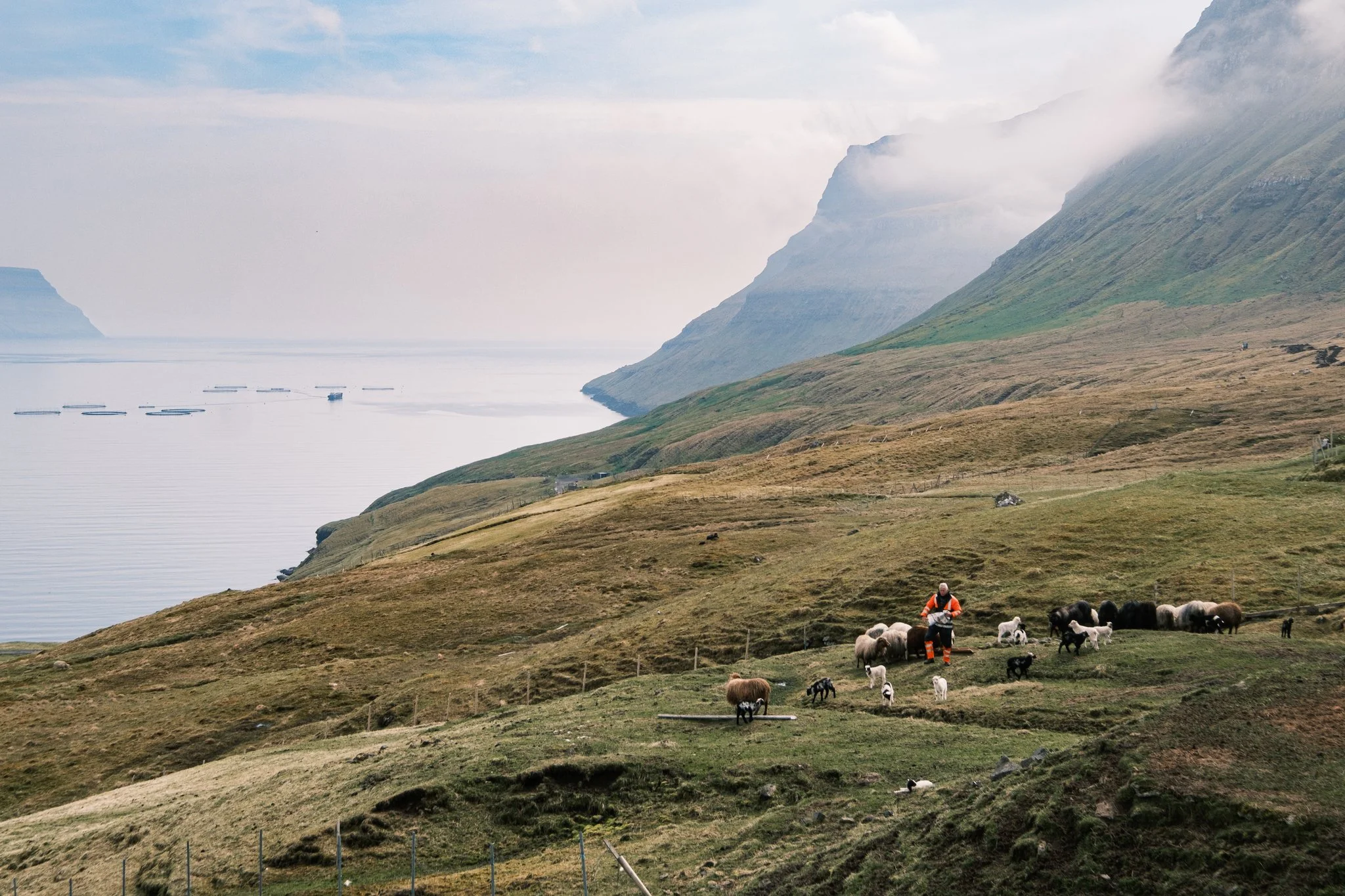
Exploring the Faroe Islands by Camper Van
This is an extract from the article publised on The Global, October 2024
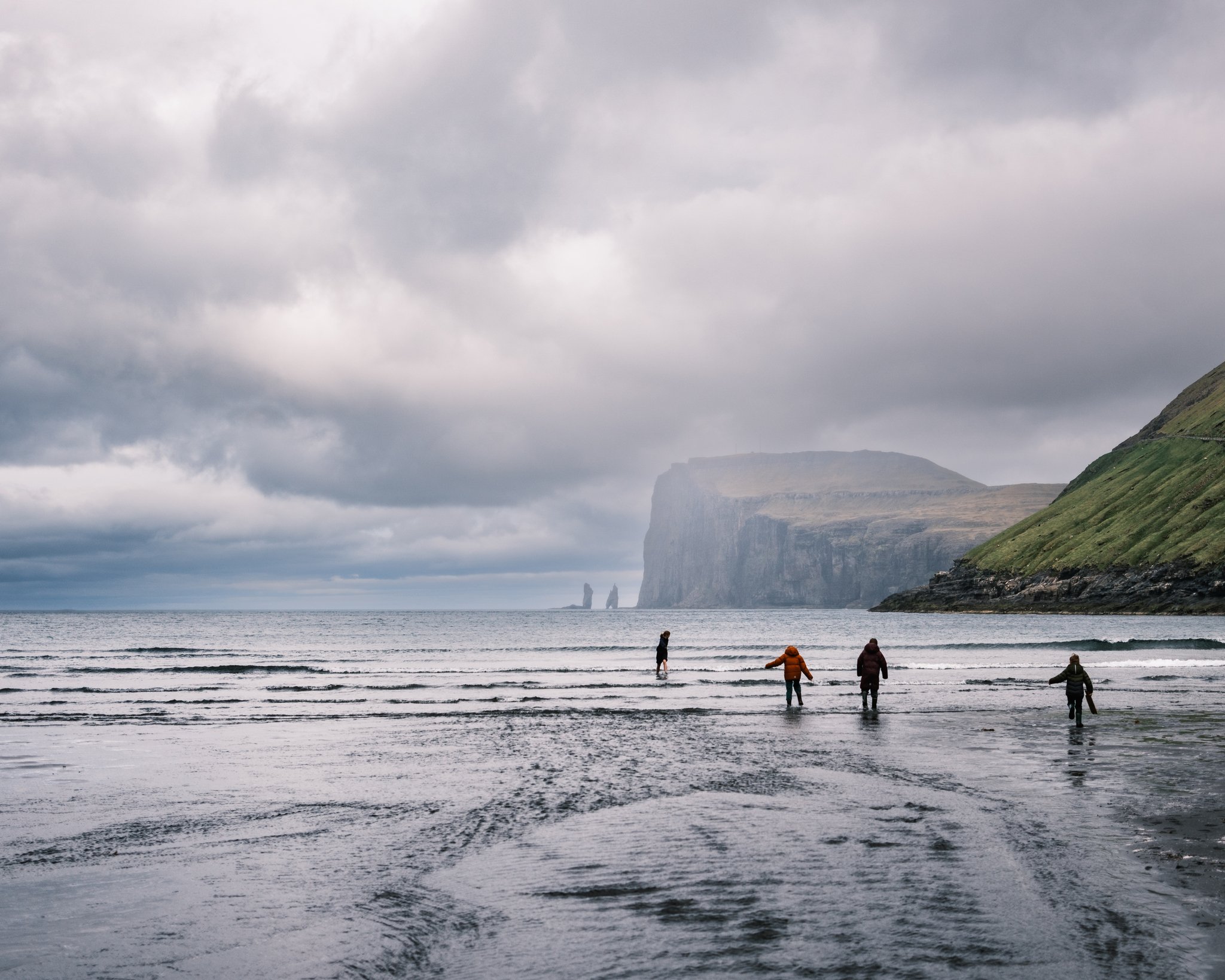
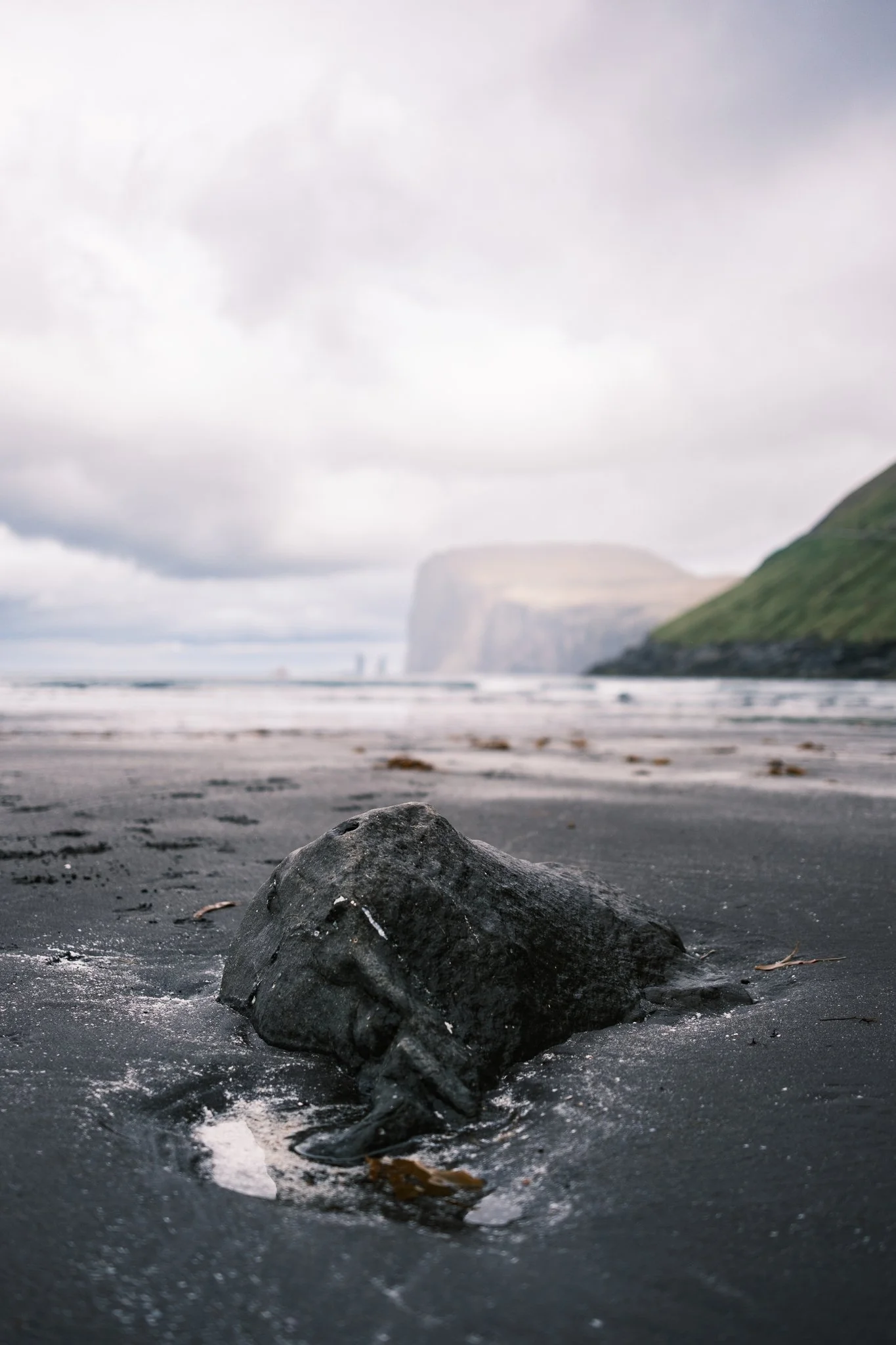
Nestled between Iceland and Norway, the Faroe Islands are a hidden gem in the North Atlantic. This archipelago of 18 volcanic islands is part of the Kingdom of Denmark and offers an unparalleled experience for those seeking a unique holiday, with dramatic landscapes, rich culture, friendly people and the promise of an adventure like no other.
And what better way to explore this pristine paradise than by camper van?
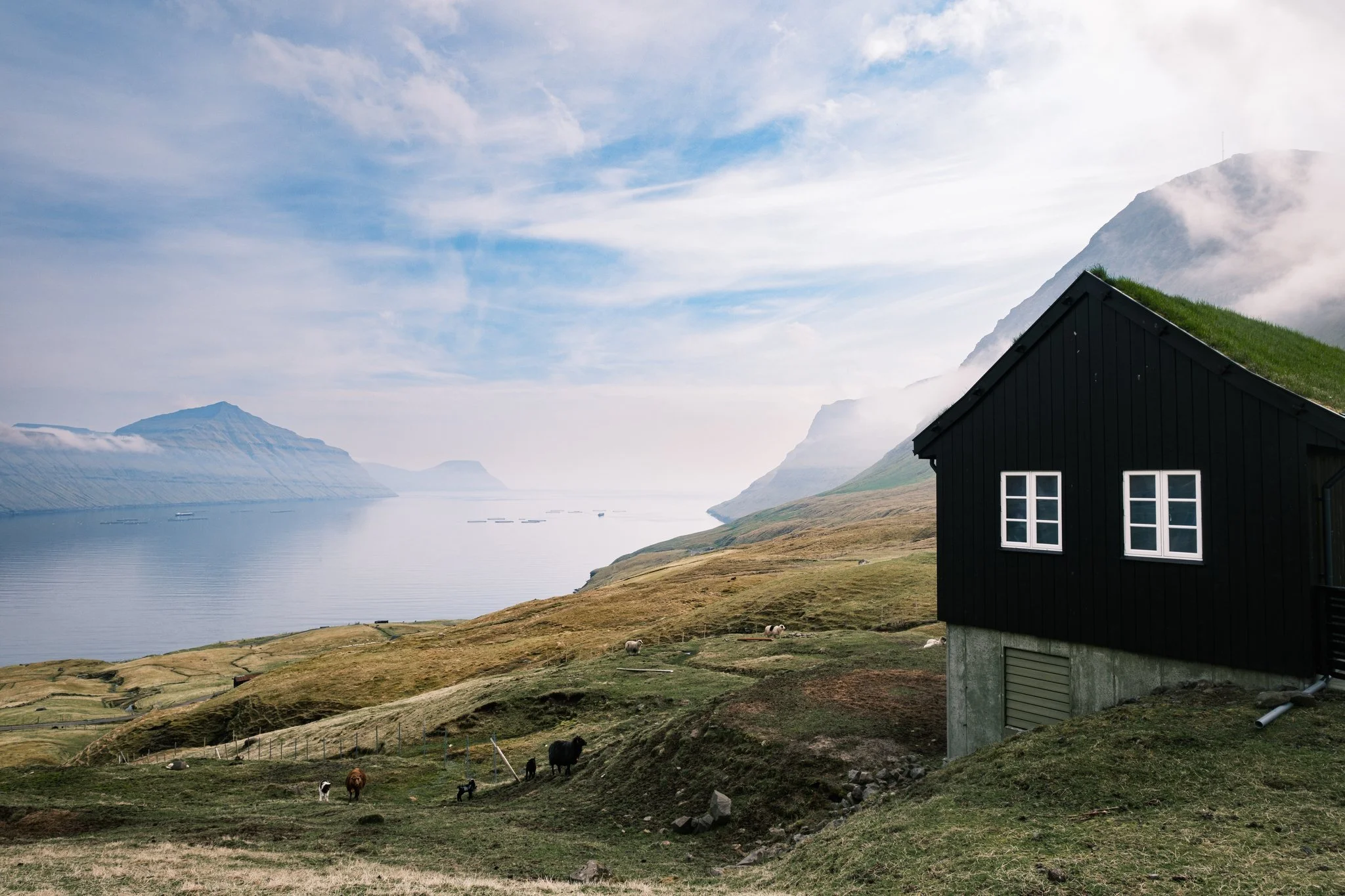
The Camper Van Experience
Traveling by camper van in the Faroe Islands allows you to fully immerse yourself in the natural beauty of the islands, offering flexibility and freedom that traditional accommodations simply cannot match. Exploring the country this way it's surprisingly straightforward. Several companies offer camper van rentals in the Faroe Islands, with options ranging from basic models to fully equipped luxury vans. Booking in advance is advisable, especially during peak tourist season.
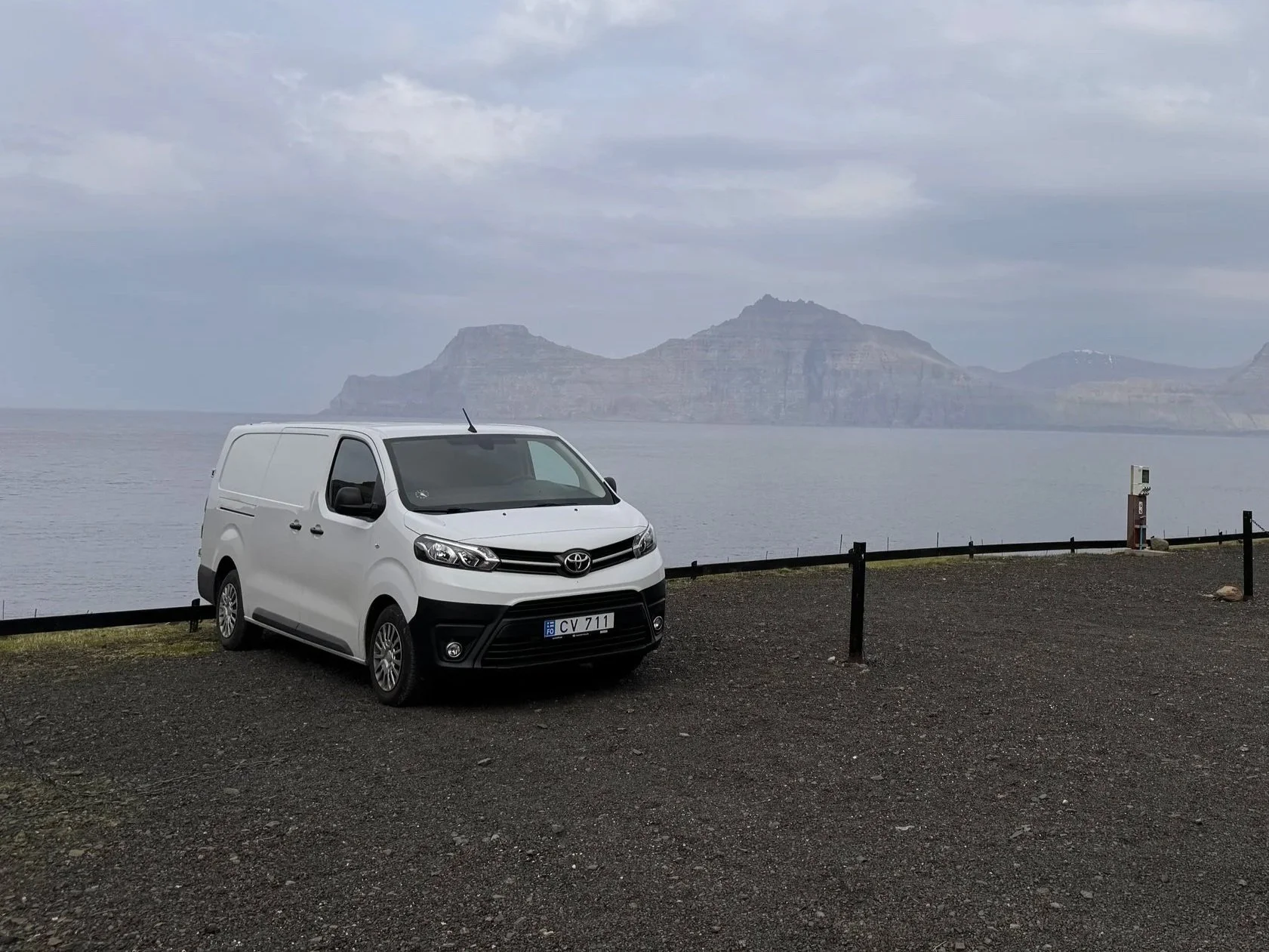
We used www.campervans.fo for our trip.
They offer various sizes of vans, all equipped with a cooking stove and utensil, duvets and pillows, a water tank, and a leisure battery to keep your electronic charged.
Camping is only allowed at designated sites, which ensures the protection of the islands' delicate ecosystems. Visit www.camping.fo for an overview of all camping sites in the country with information about pricing, available facilities, booking options and opening dates - some of the sites are closed during winter.
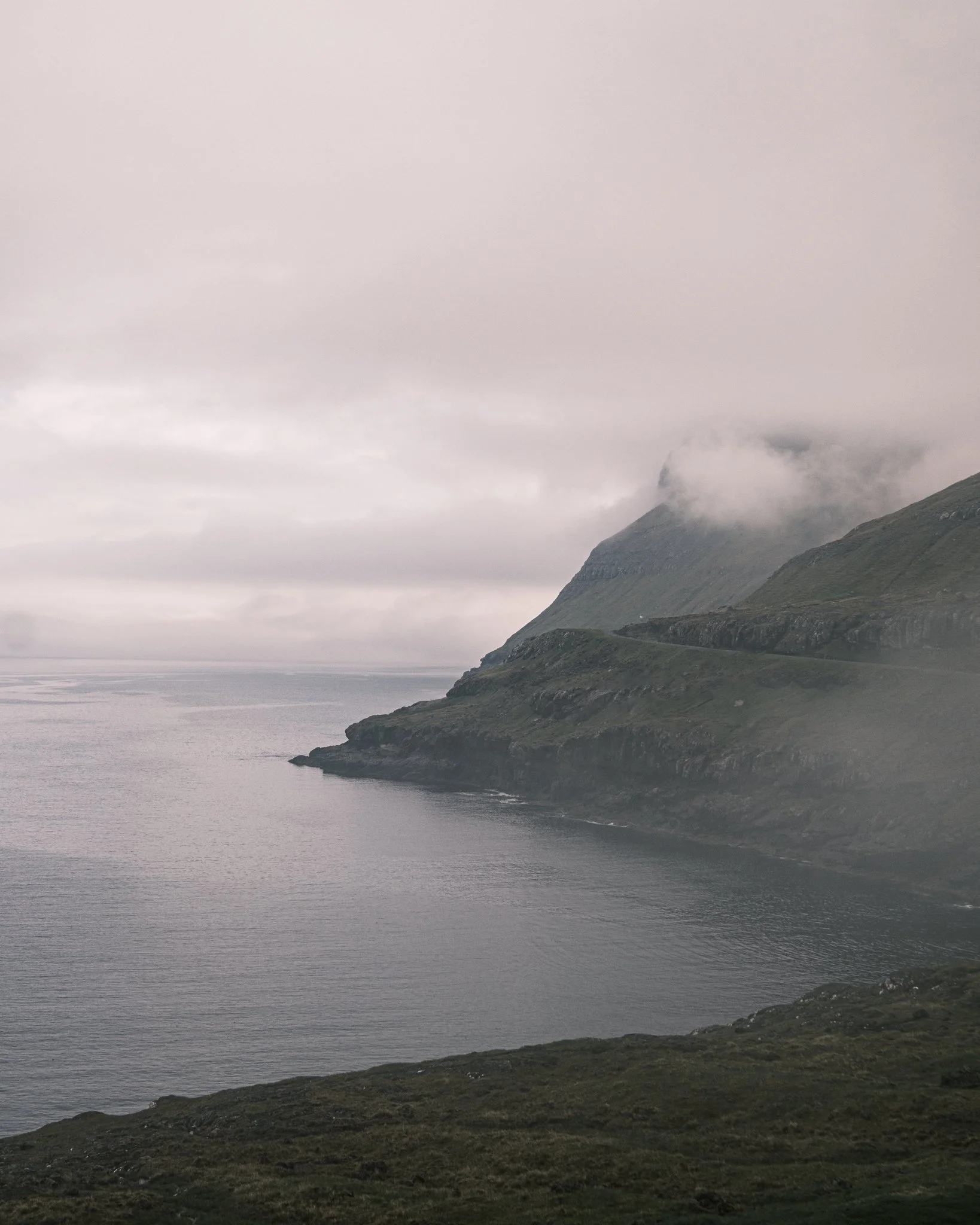
The islands are connected by an excellent network of well-maintained roads, tunnels, and ferries, ensuring a smooth journey even for first-time visitors. Road signs are clear, and the distances between attractions are short, making it easy to explore multiple sites in a single day.
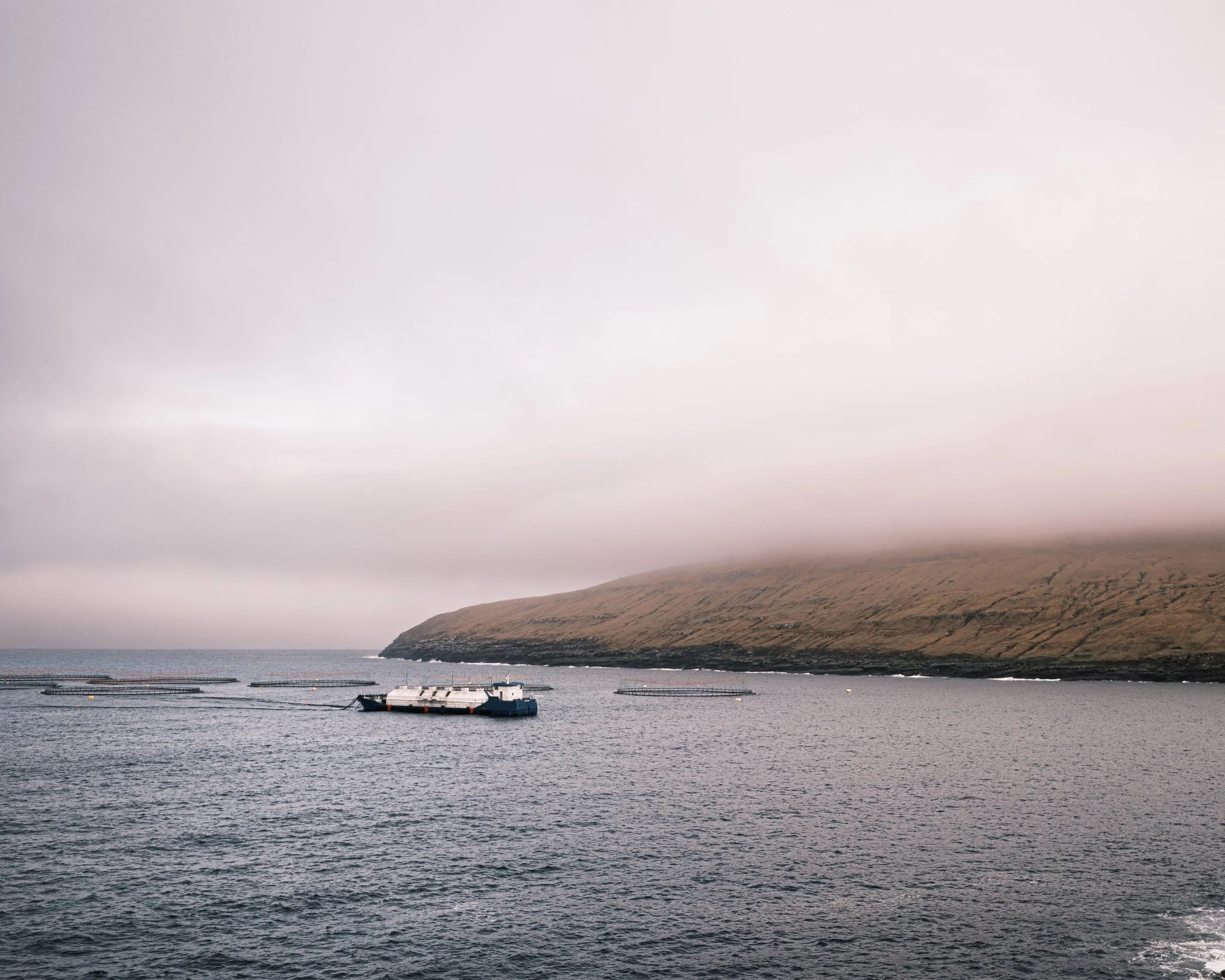
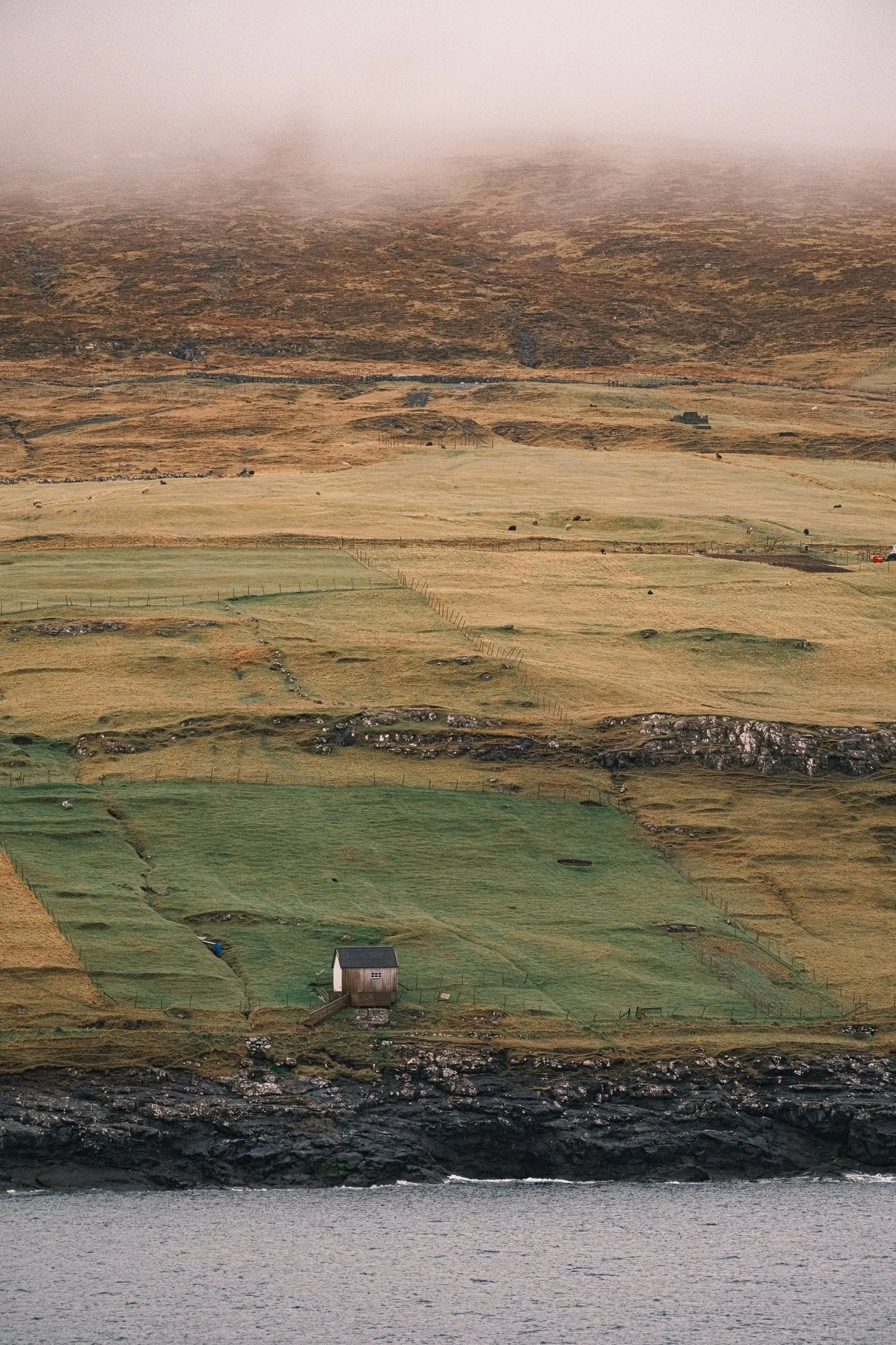
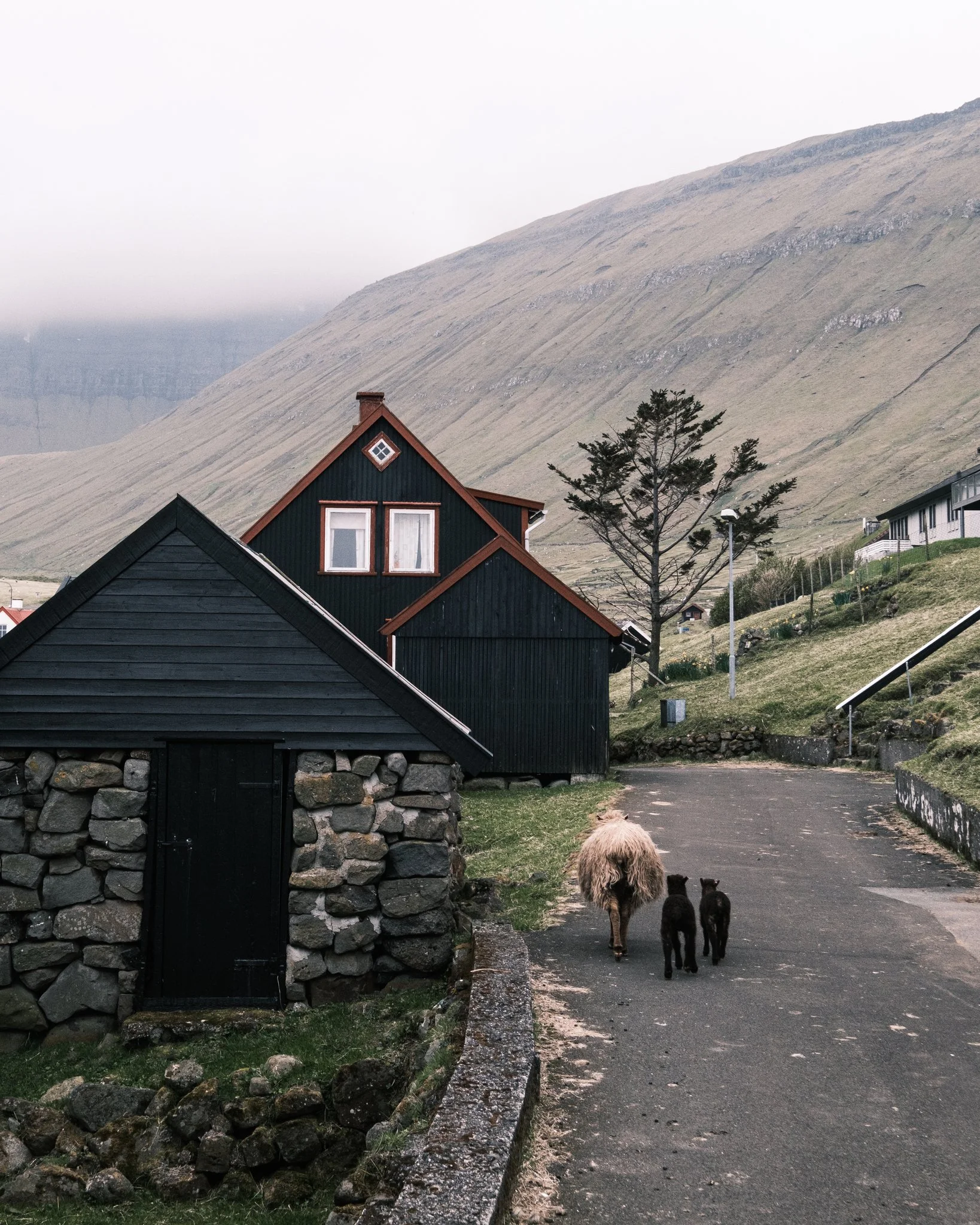
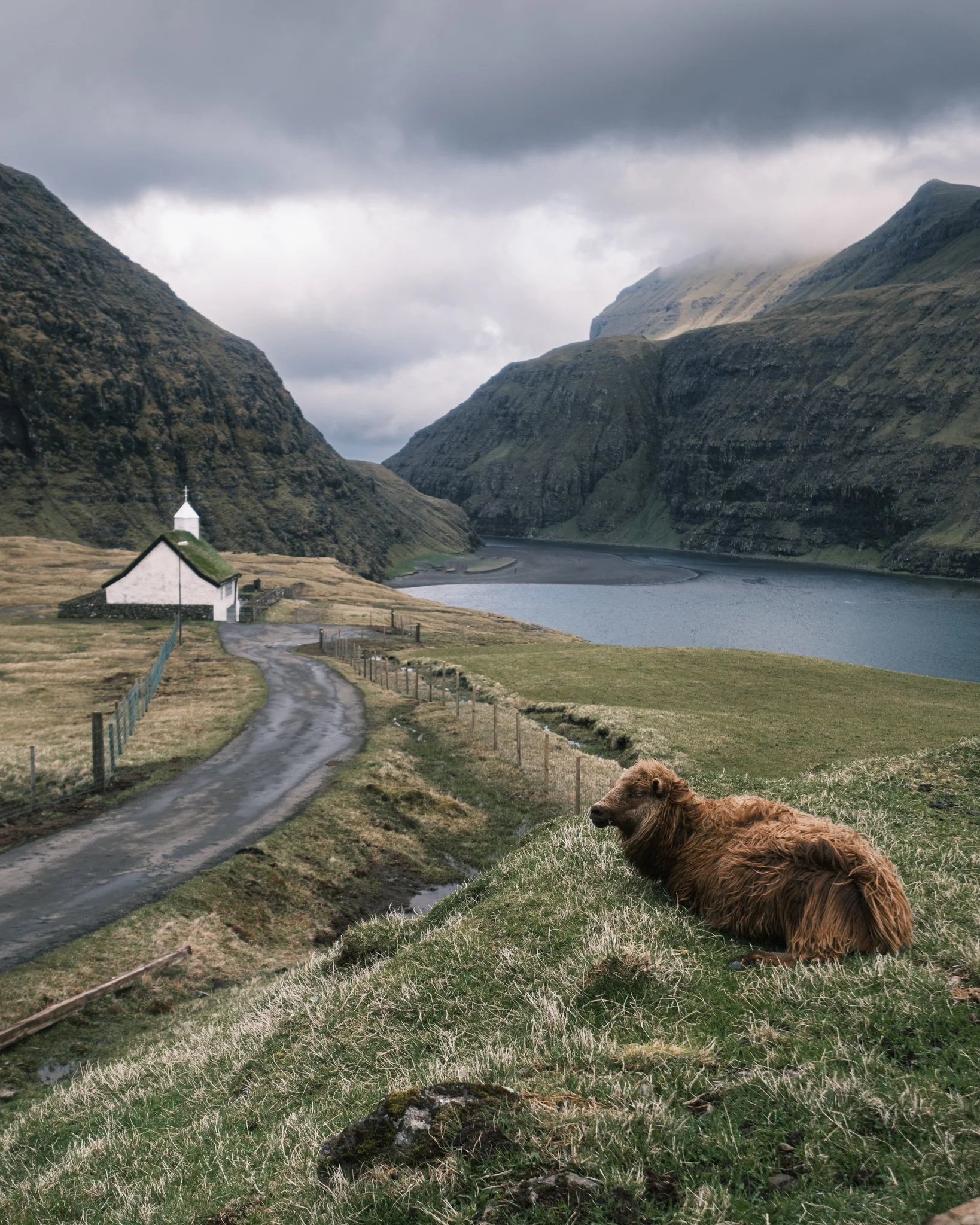
When driving in the Faroe Islands, it is essential to be cautious of sheep on the roads. The islands are home to approximately 70,000 sheep, which often roam freely across the rugged landscape and may unexpectedly cross roads, especially in rural areas.
Faroe Islands are not part of the EU, so many phone company don’t offer free roaming. Remember to check your subscription in advance to avoid surprises on your phone bill. Rental companies offer mobile WiFi during reservation at a reasonable price, so you can stay connected during your stay.
Hiking Paradise and Family-Friendly Activities
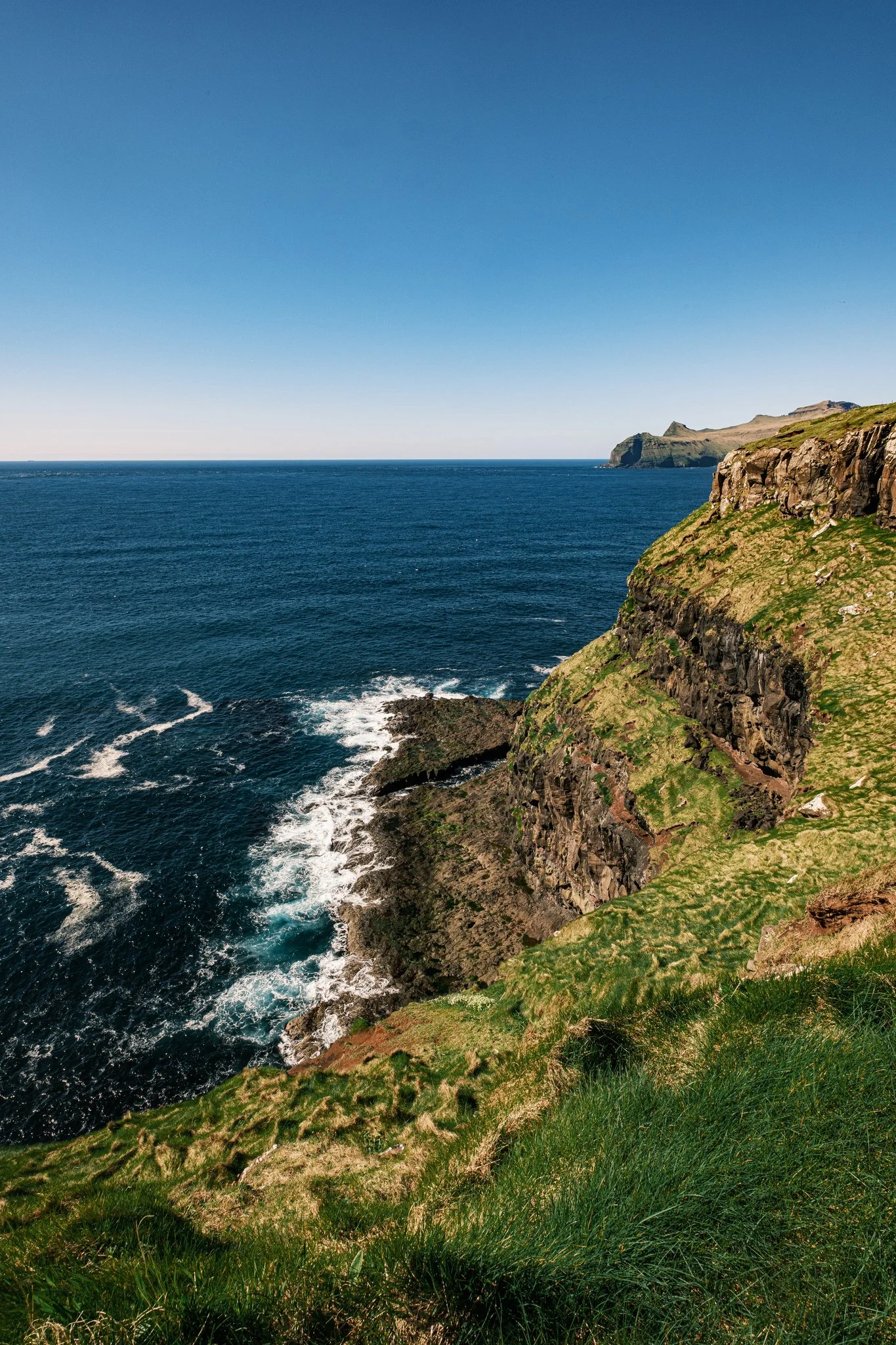
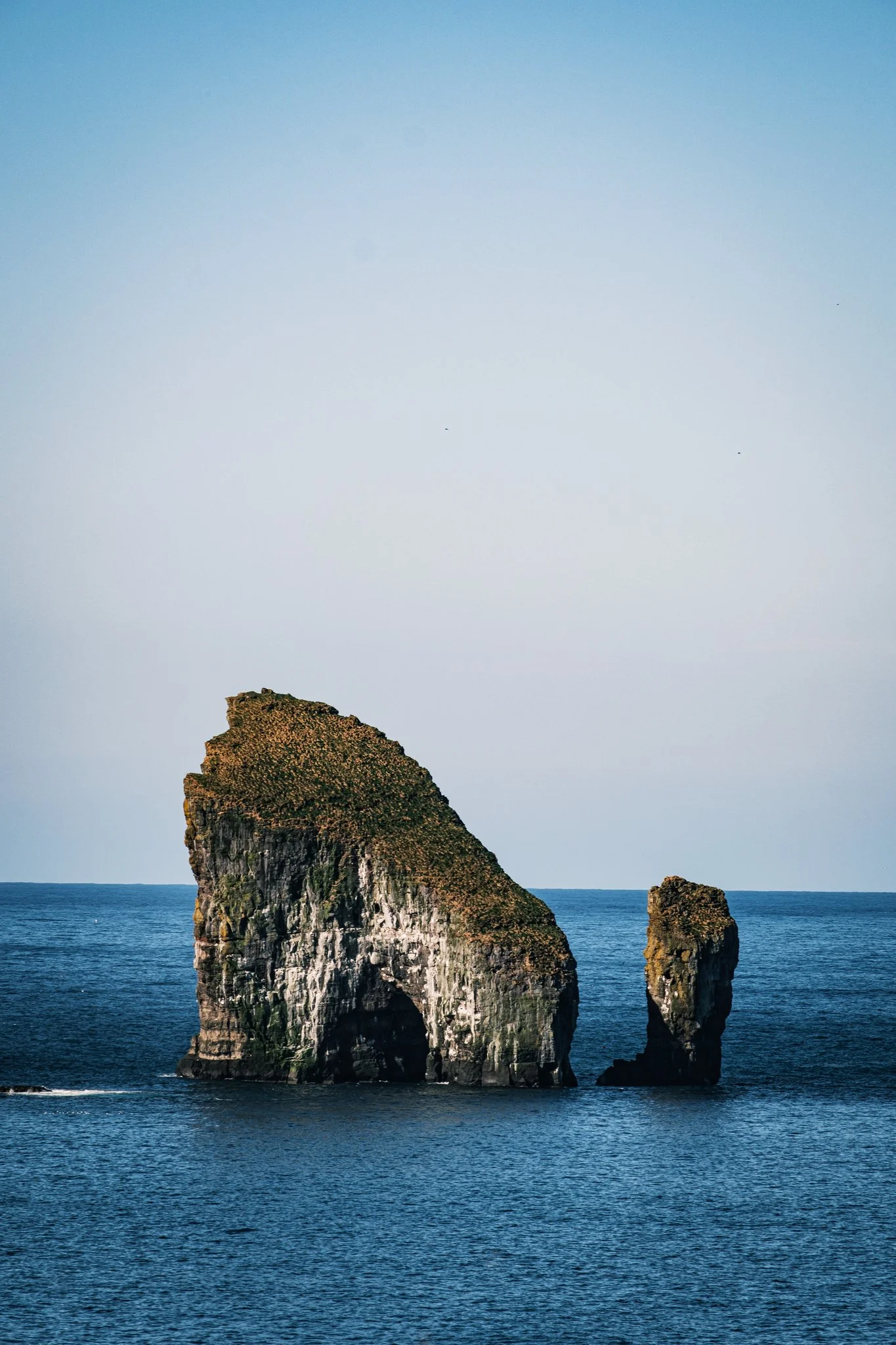
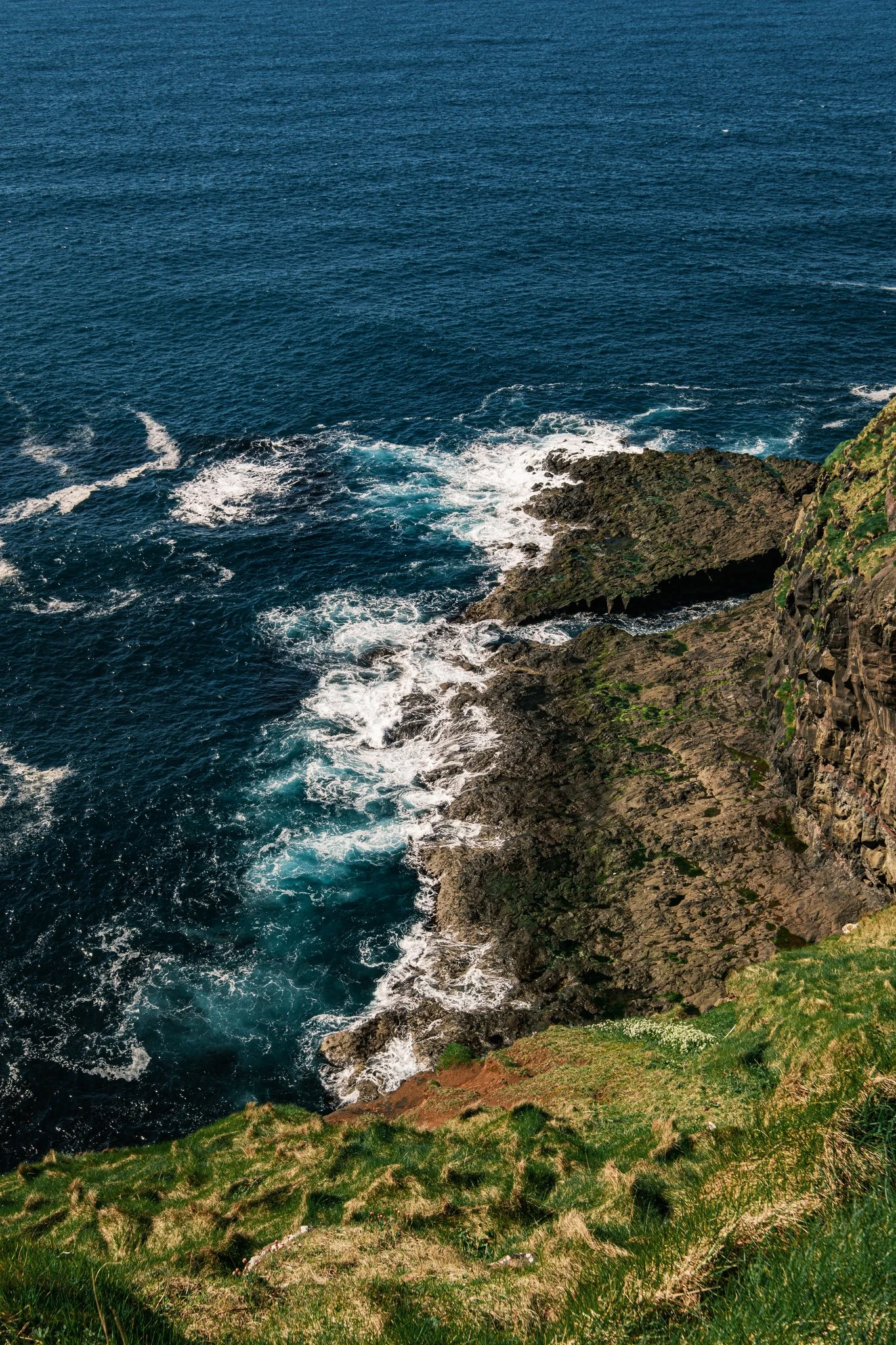
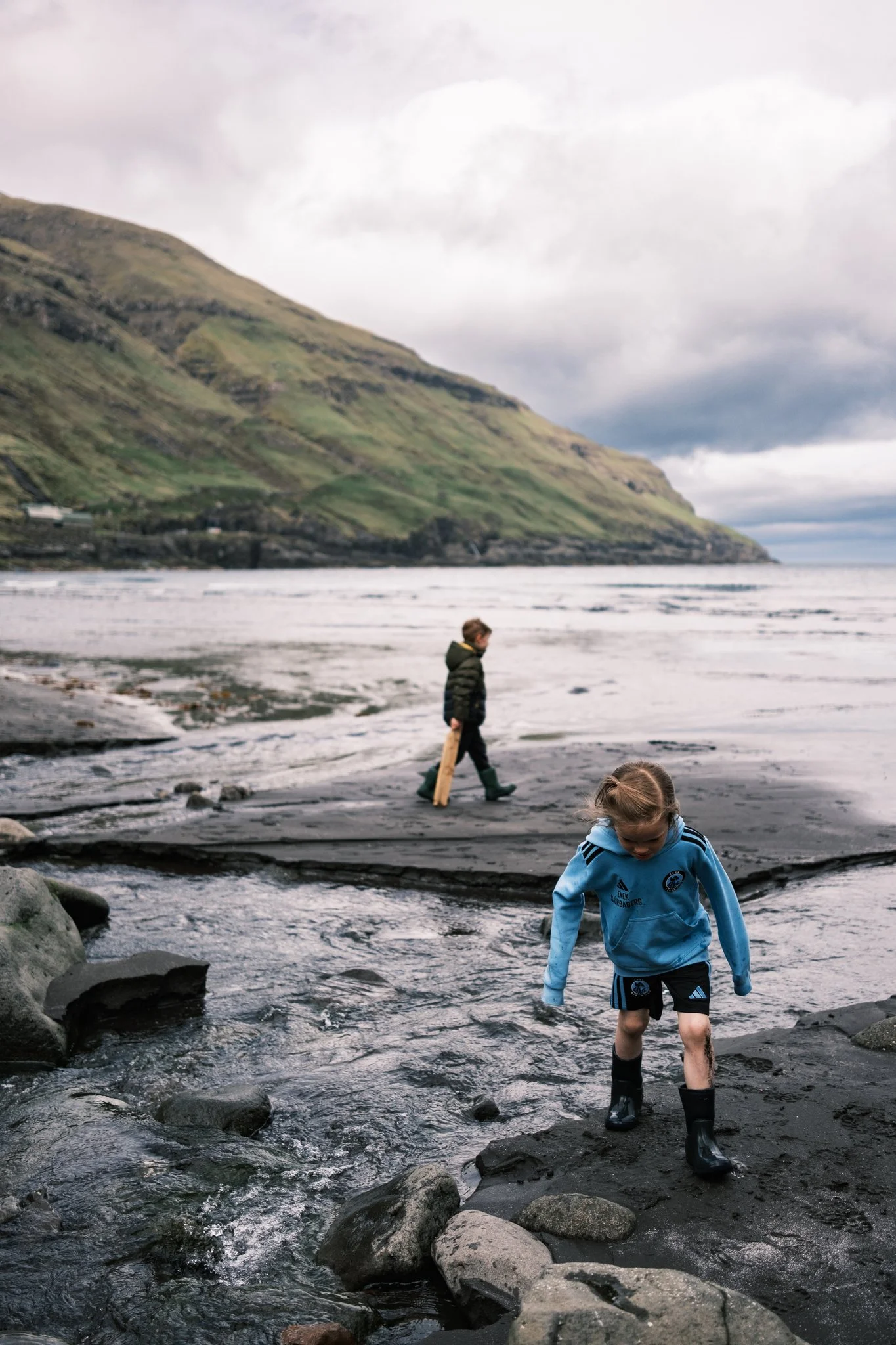
The Faroe Islands are renowned for being a hiking paradise, with some of the most stunning views in the world. A few hiking routes in the Faroe Islands have implemented restrictions regarding access to the area and now require payment for walking in that location. Please check if the route you are planning on hiking requires you to book a local guide or to pay a fee. However, it's important to note that you don't need to be an avid hiker to enjoy the islands. Many attractions are easily accessible by road, making the islands fully enjoyable for those who prefer a more relaxed pace. Each road in the Faroe Islands offers numerous spots where you can pull over and enjoy the stunning vistas.All detailed information about hiking routes, activities and must-see attractions are available on https://www.visitfaroeislands.com.
The Ever-Changing Weather
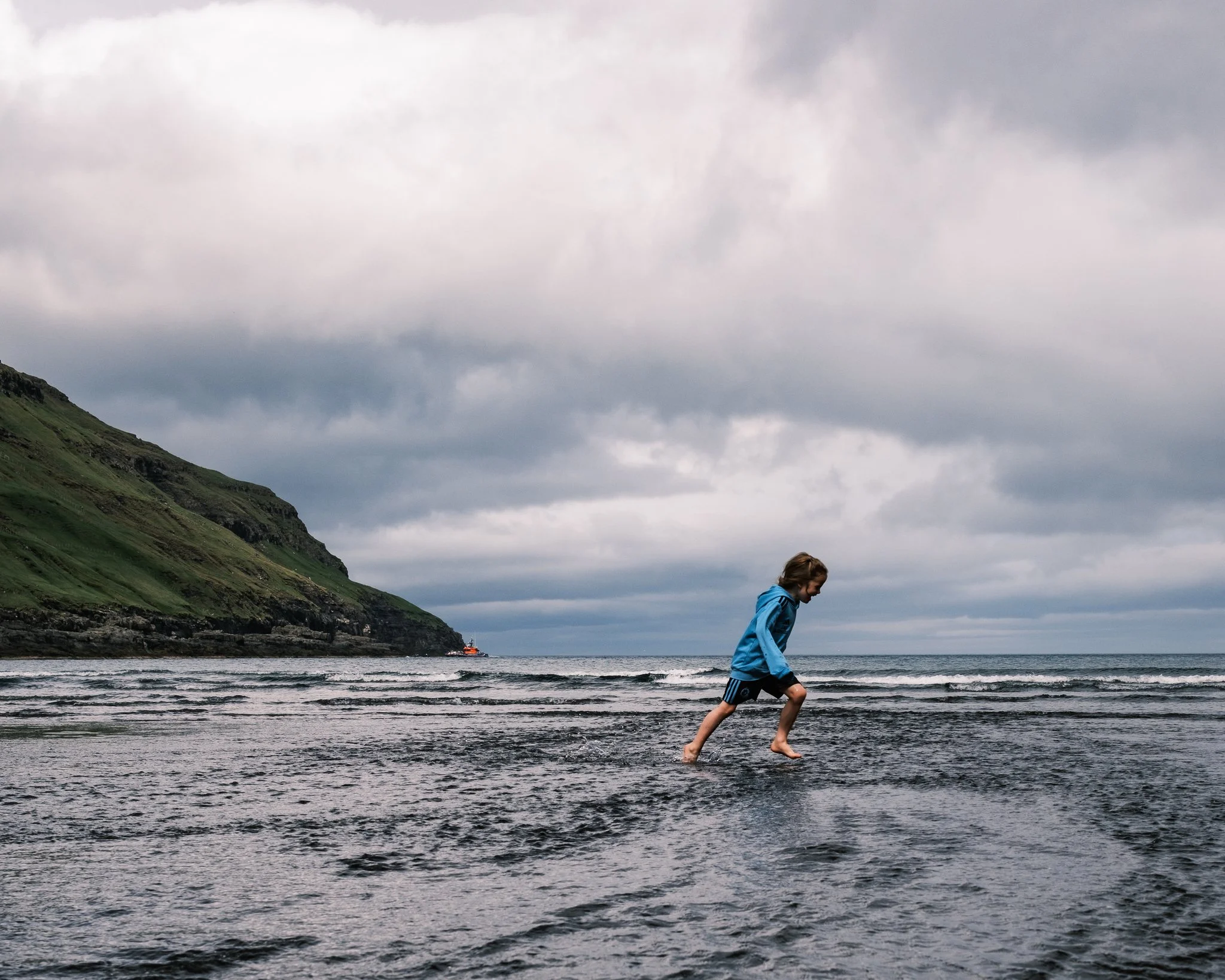
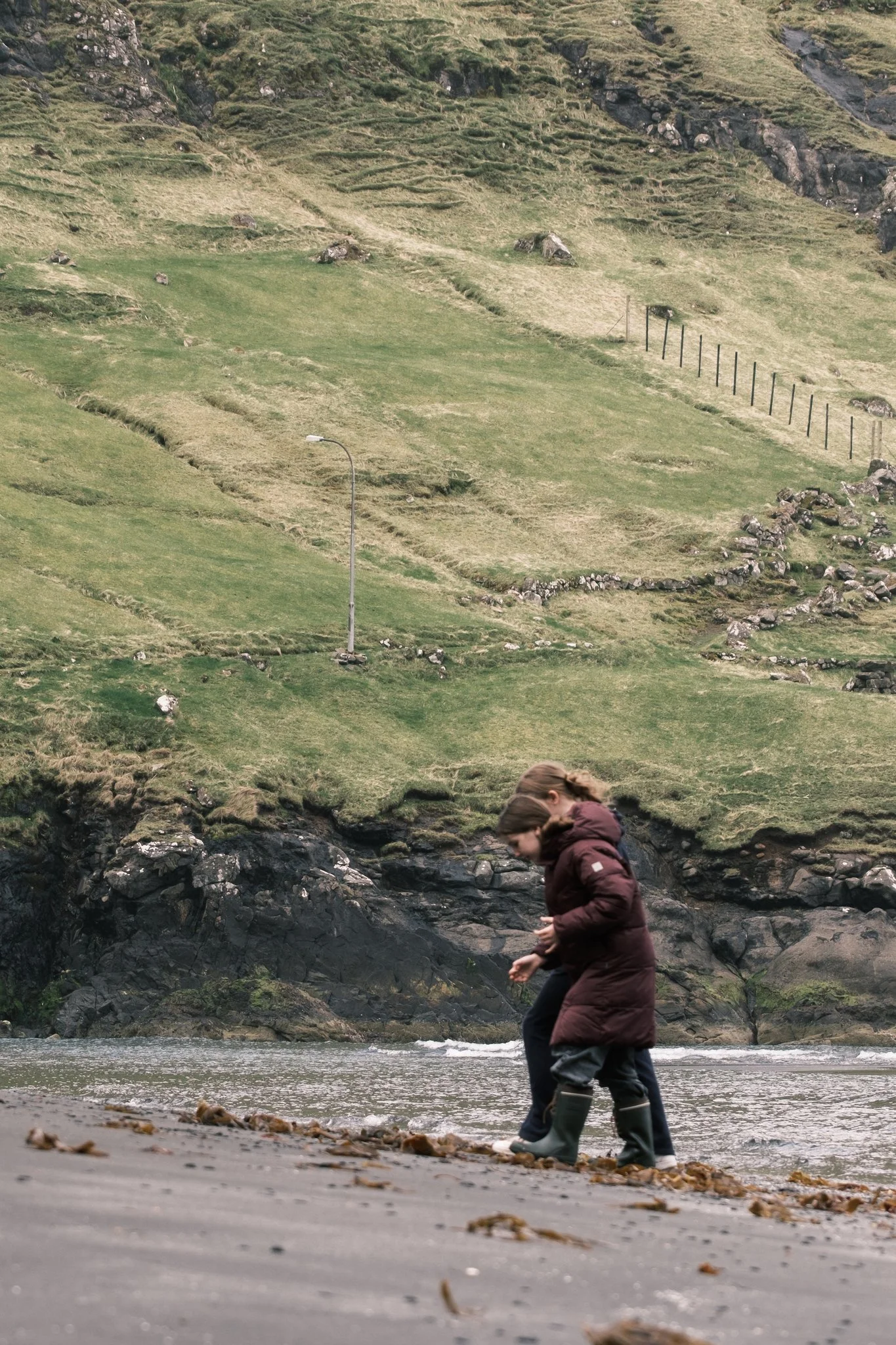
Weather in the Faroe Islands is incredibly dynamic and can change rapidly, adding an element of surprise to your journey. There are more than 200 rainy days in Faroe Islands and the average maximum temperature during summer is around 12 degrees, so it's crucial to dress in layers. Being prepared with a waterproof outer layer, warm inner layers, and sturdy footwear will ensure that you stay comfortable no matter what the weather brings.
When to go and what to see
The best time to visit is from June to August, when the days are long, and the weather is relatively mild. However, visiting in the off-peak months can offer a more serene experience with less tourists. We travelled in mid-May, and we enjoyed empty camping spots, less crowded trails and absolutely no traffic in most areas. The list of amazing places is infinite, but here are some of our recommendations:
Tórshavn: the capital of the Faroe Islands, and one of the smallest capitals in the world, is rich in culture and history. Visit the historic Tinganes area with its charming old wooden houses and try one of the many local restaurants.
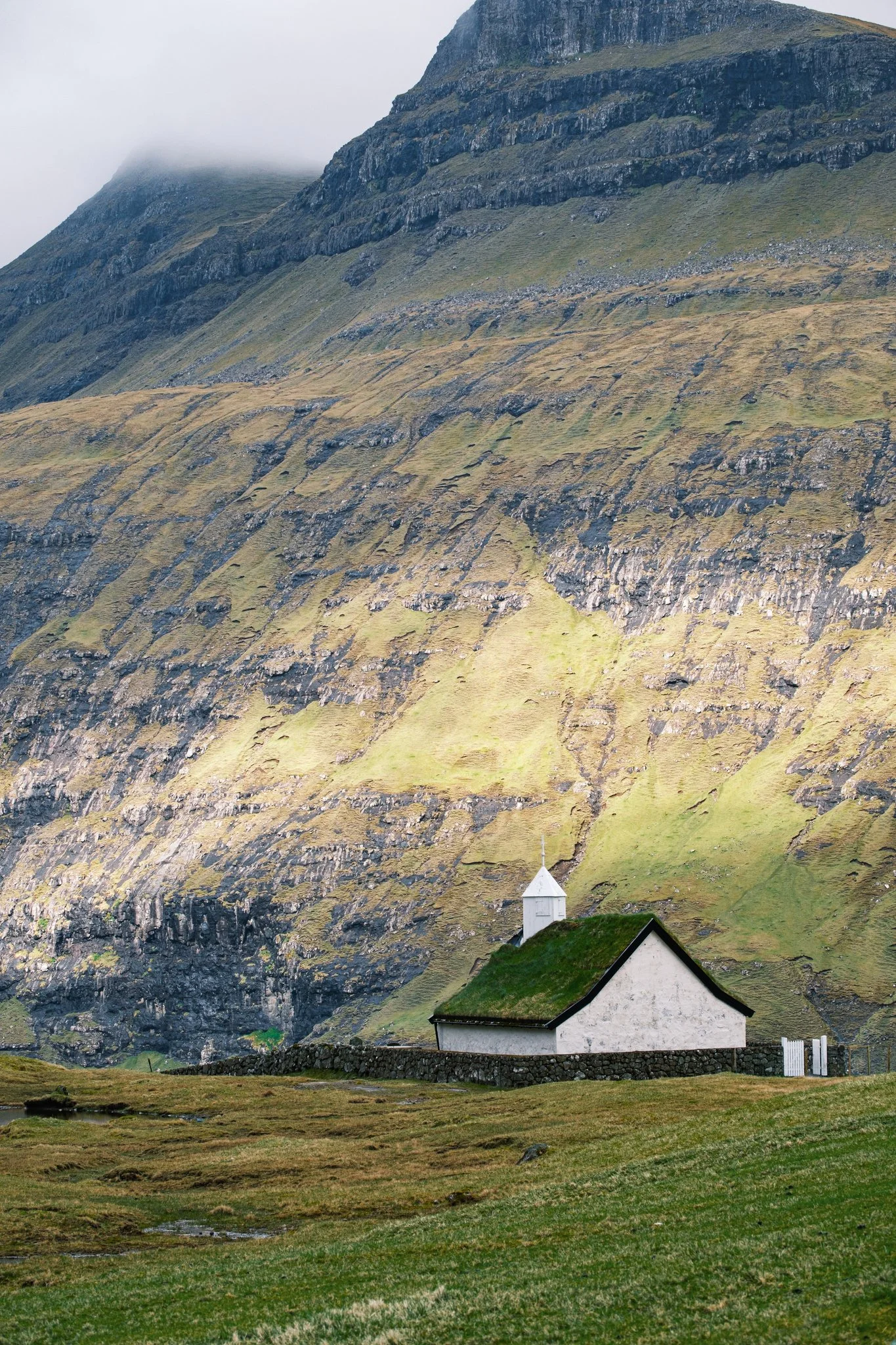
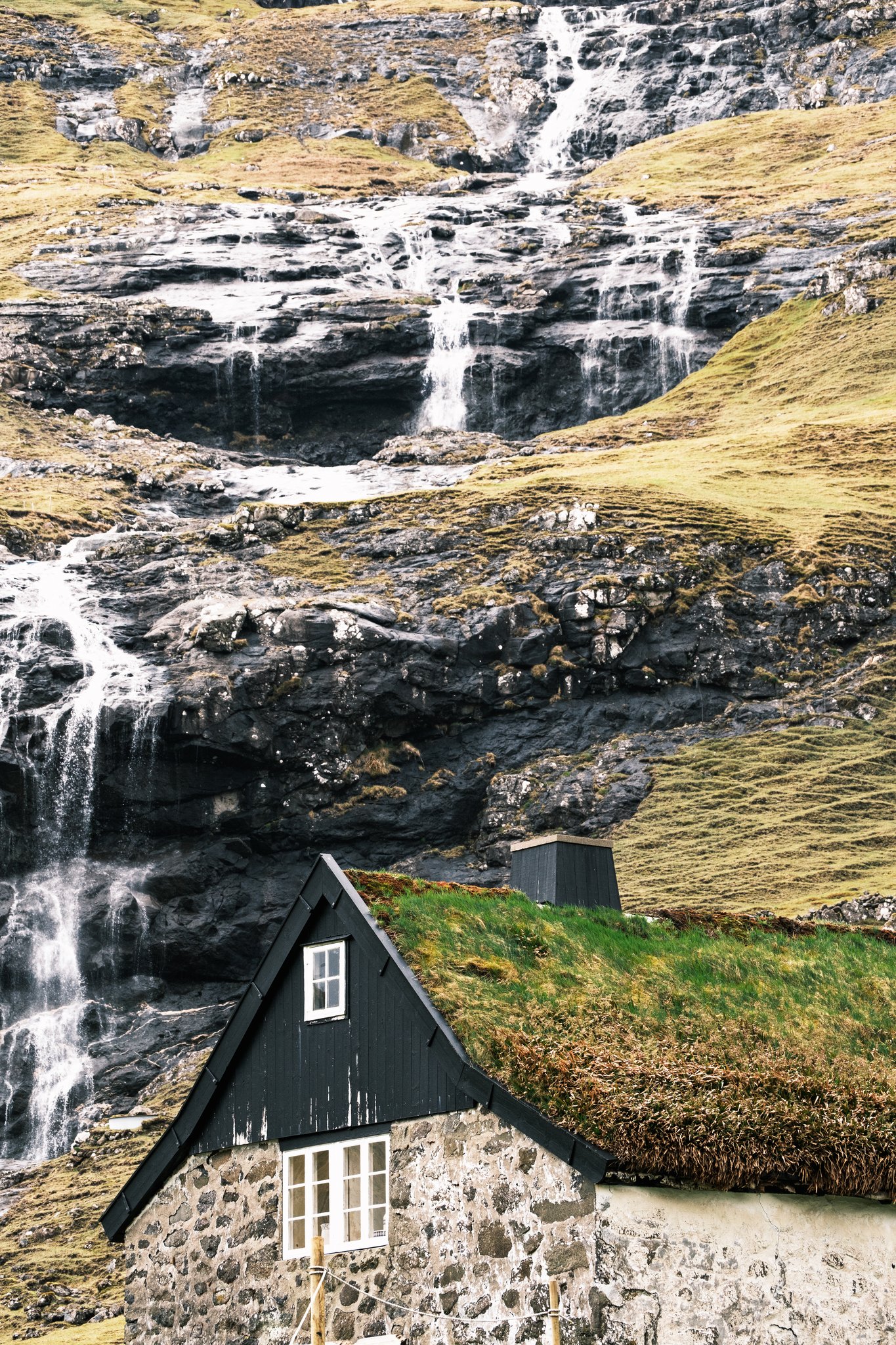
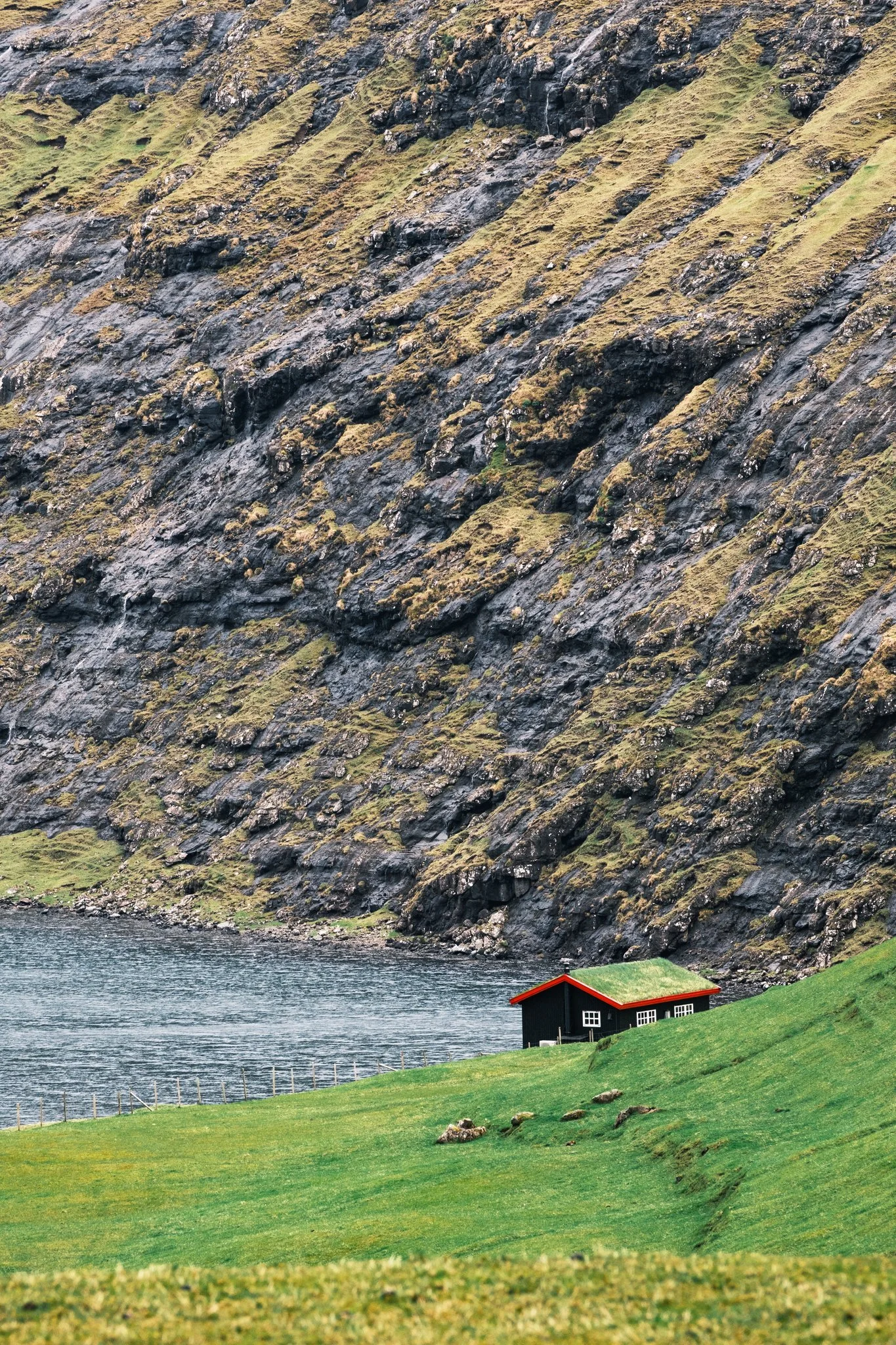
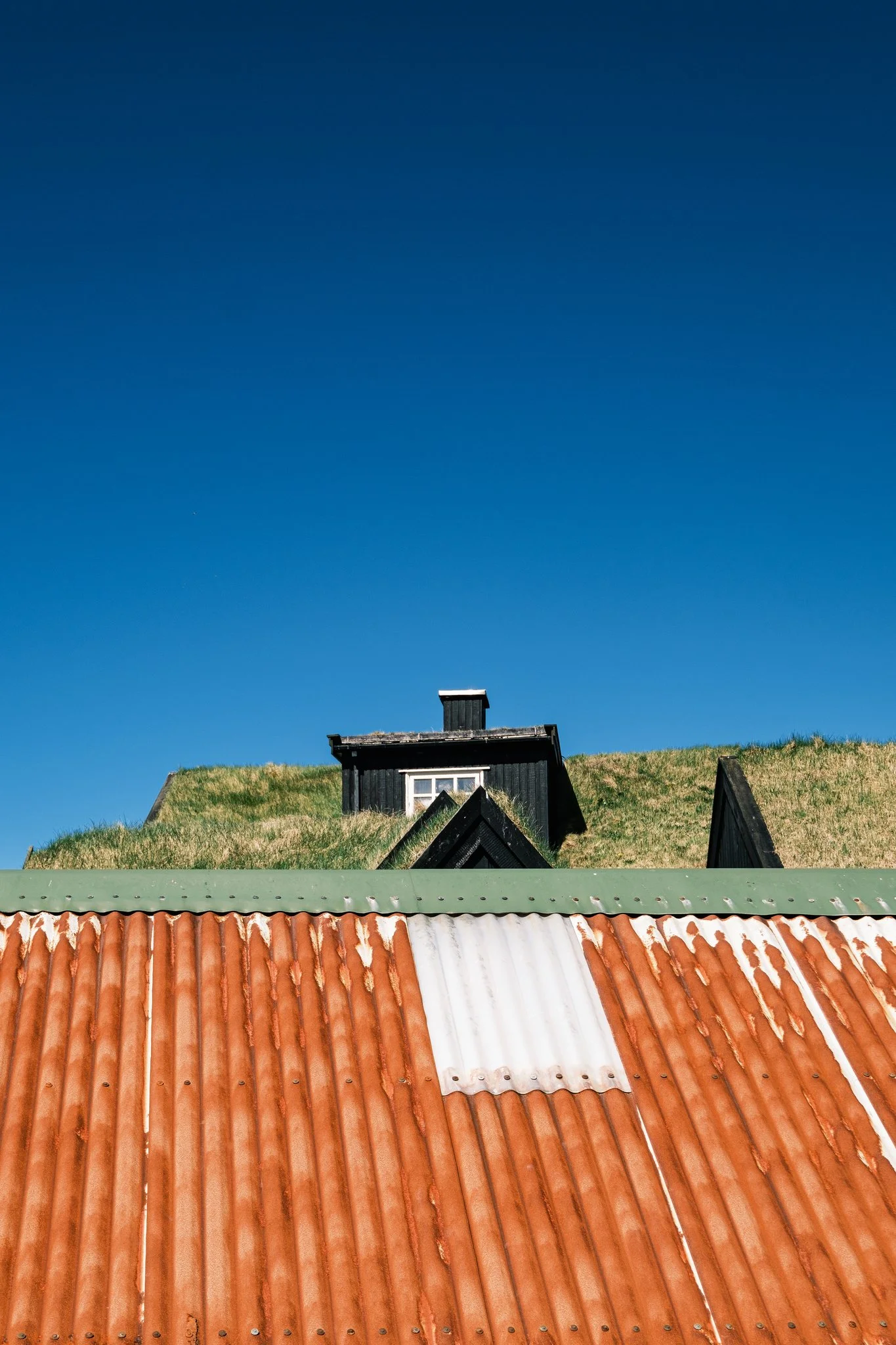
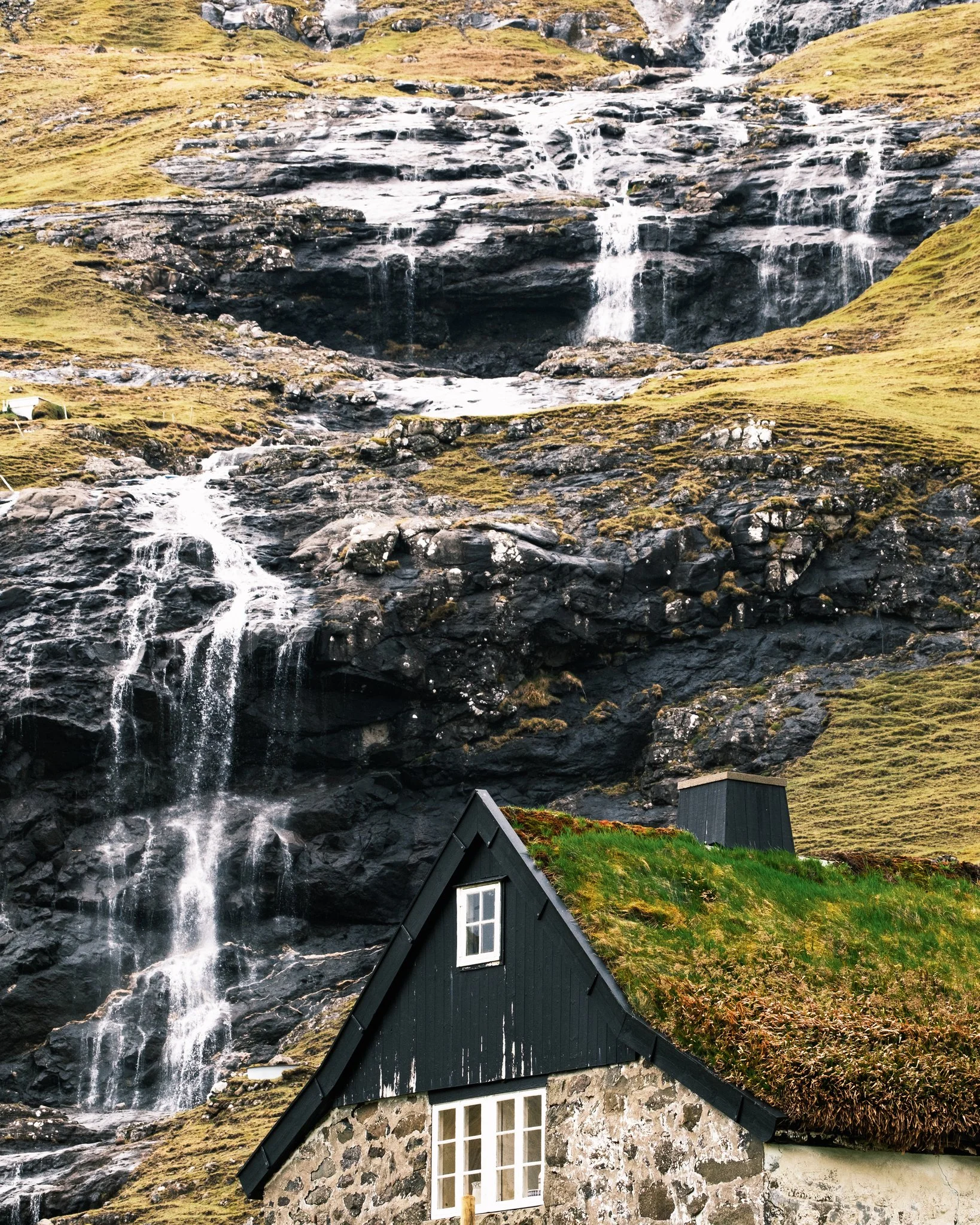
Saksun: A picturesque village situated on the northwest coast of Streymoy island, known for its stunning lagoon and traditional grass-roofed houses.
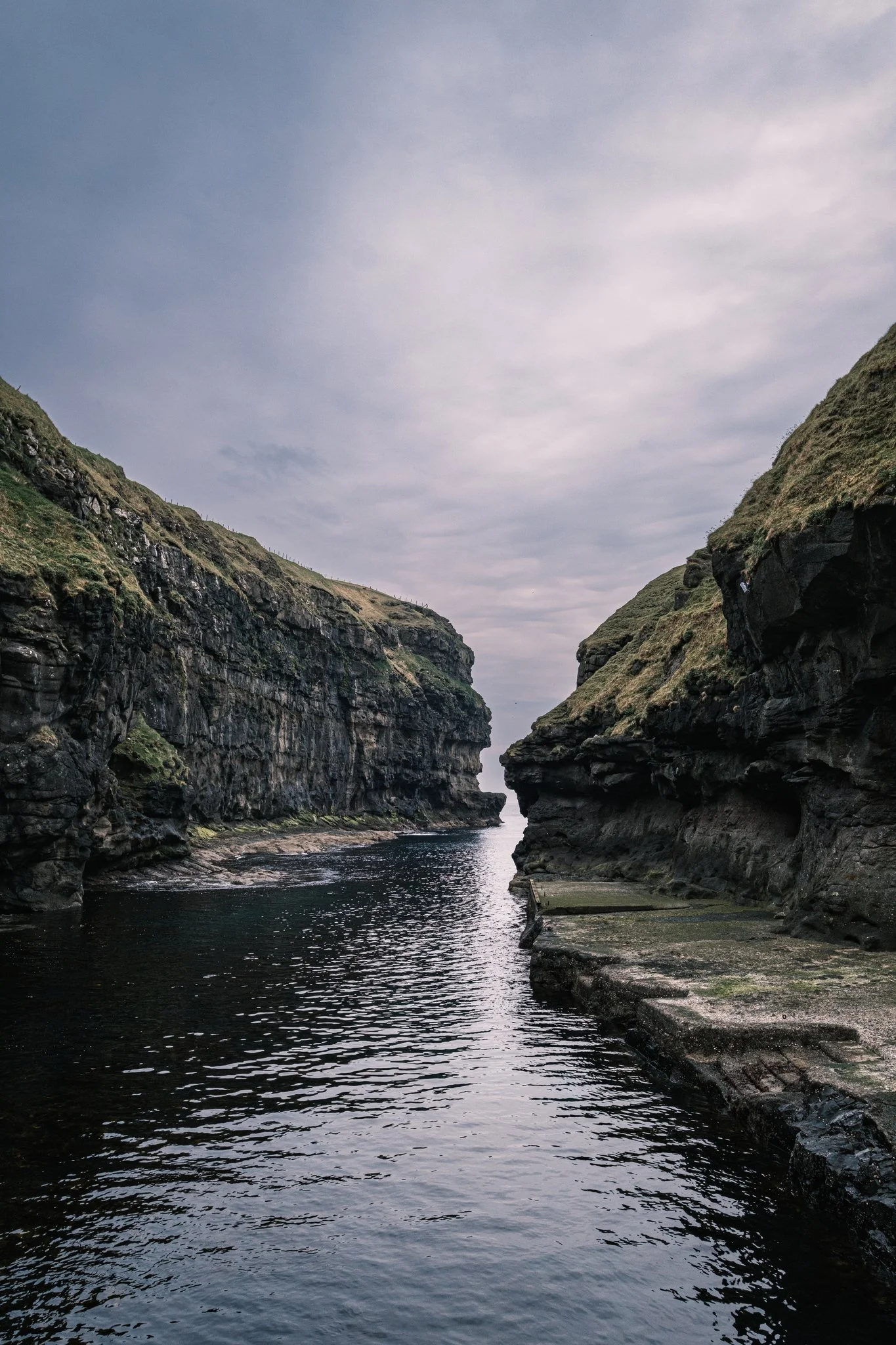
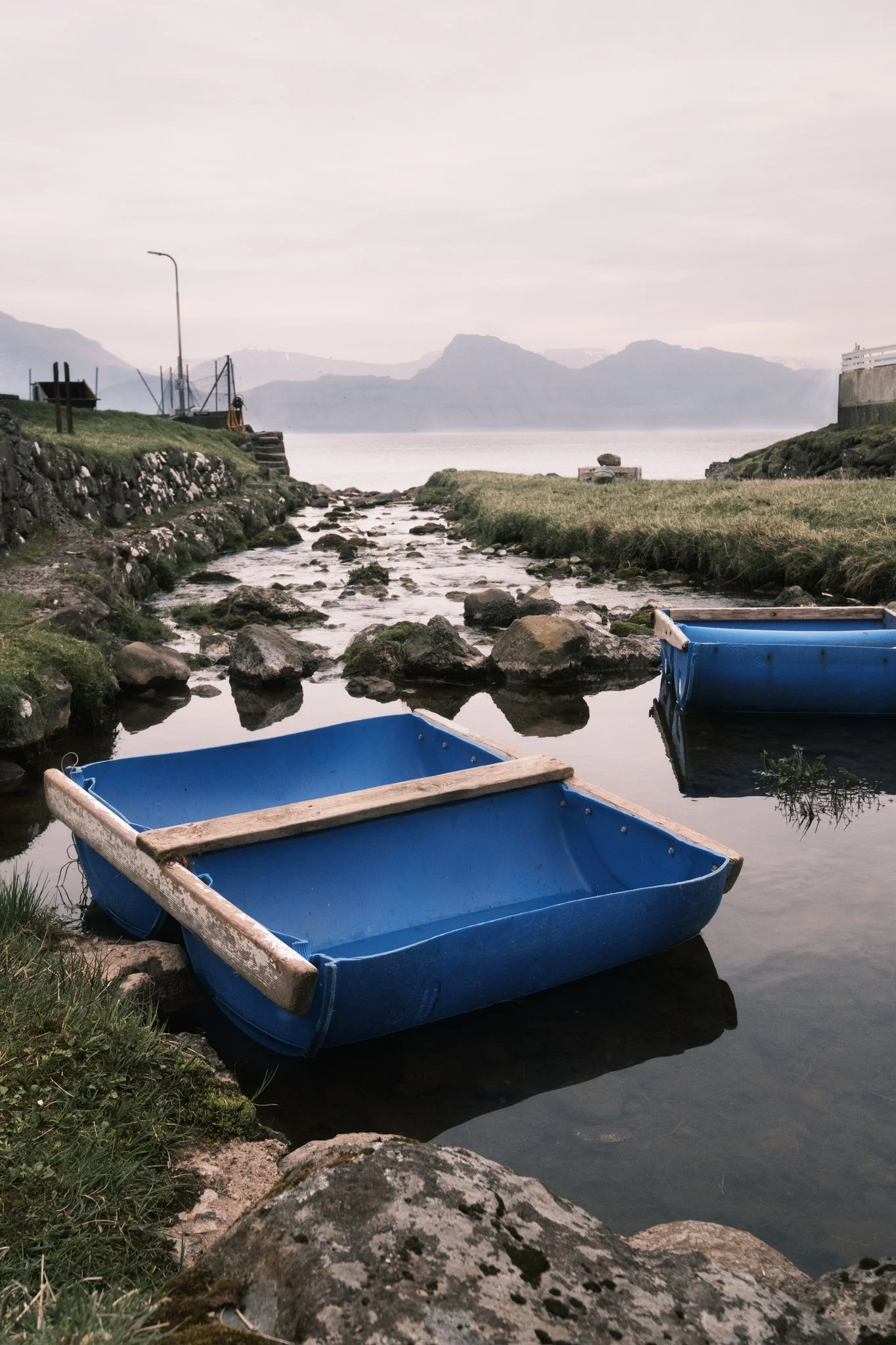
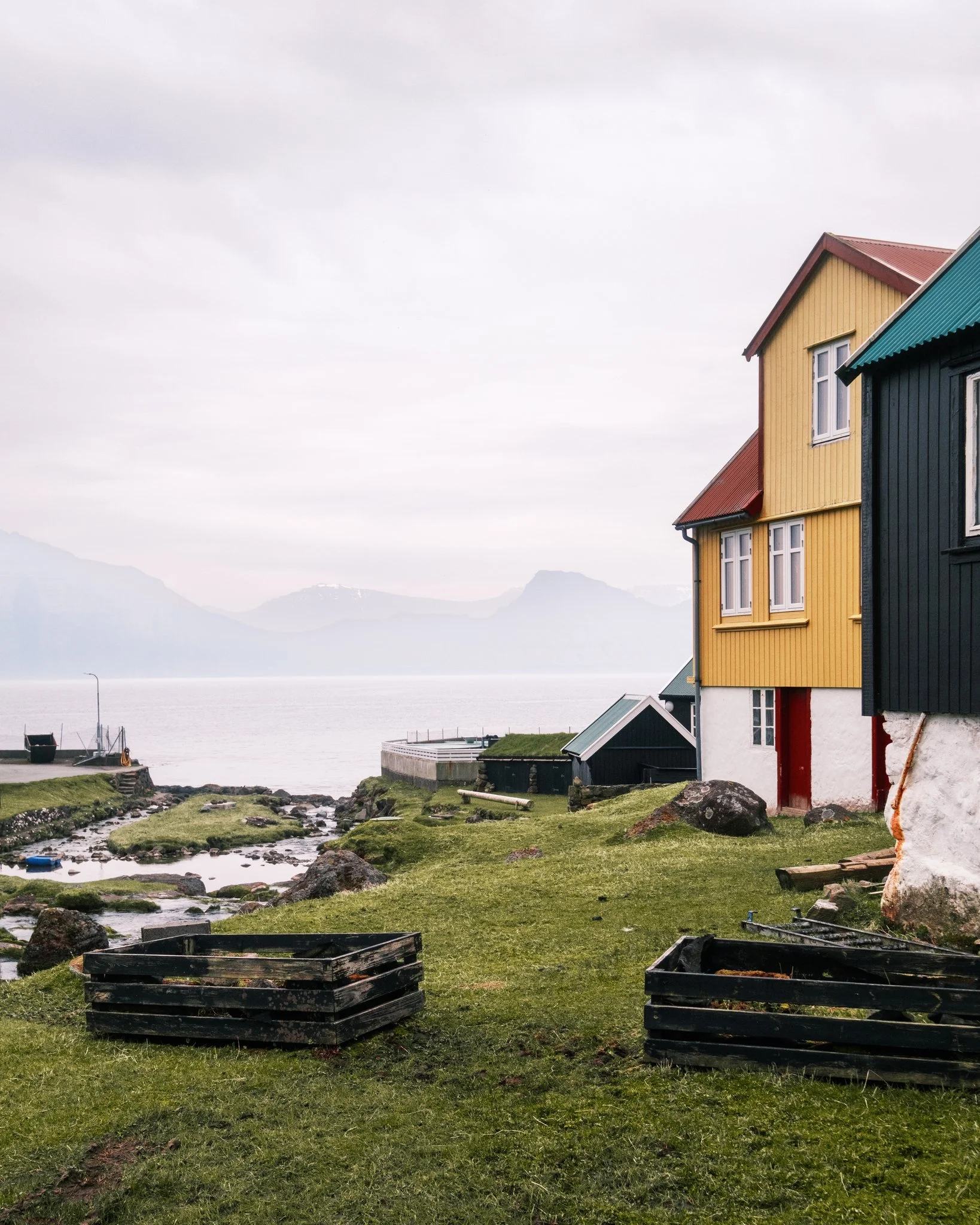
Gjógv: Located on the northeastern tip of Eysturoy island and famous for its natural harbor and breathtaking views.
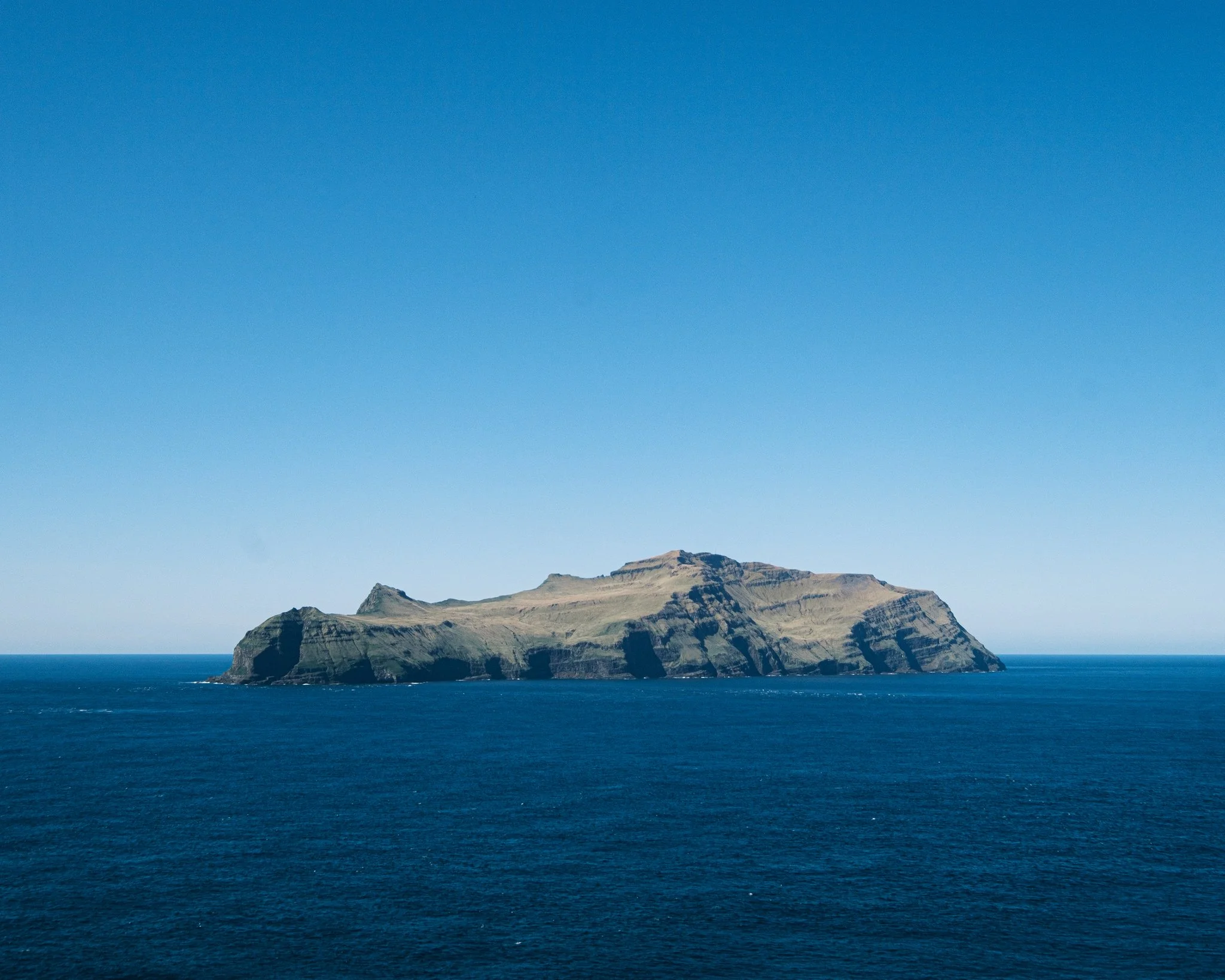
Mykines: The westernmost island of the Faroe Islands, Mykines is a birdwatcher's paradise with a big colony of puffins.
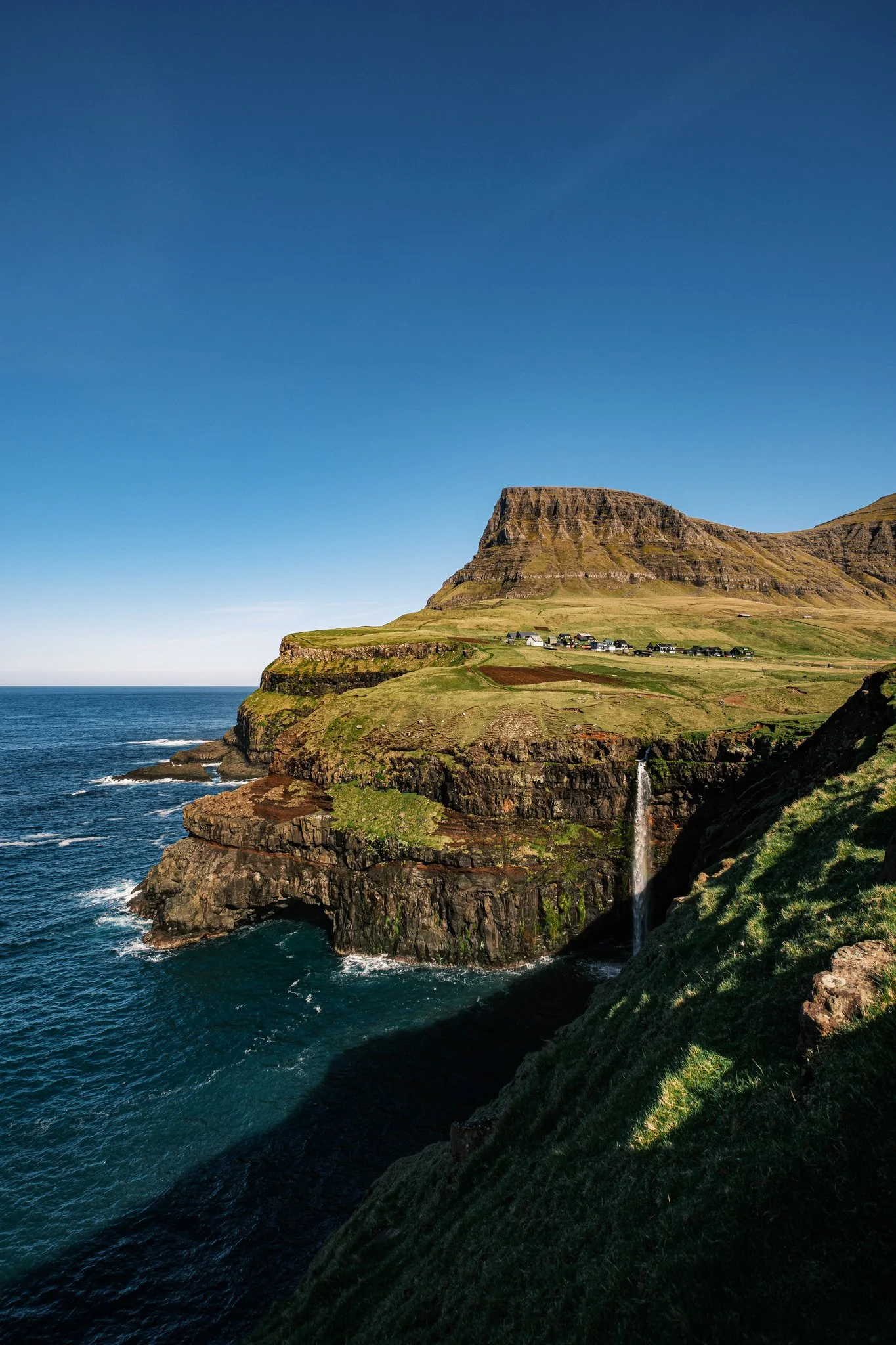
Múlafossur Waterfall: Situated on Vágar island, this iconic waterfall cascades directly into the ocean and is one of the most photographed sites in the Faroe Islands.
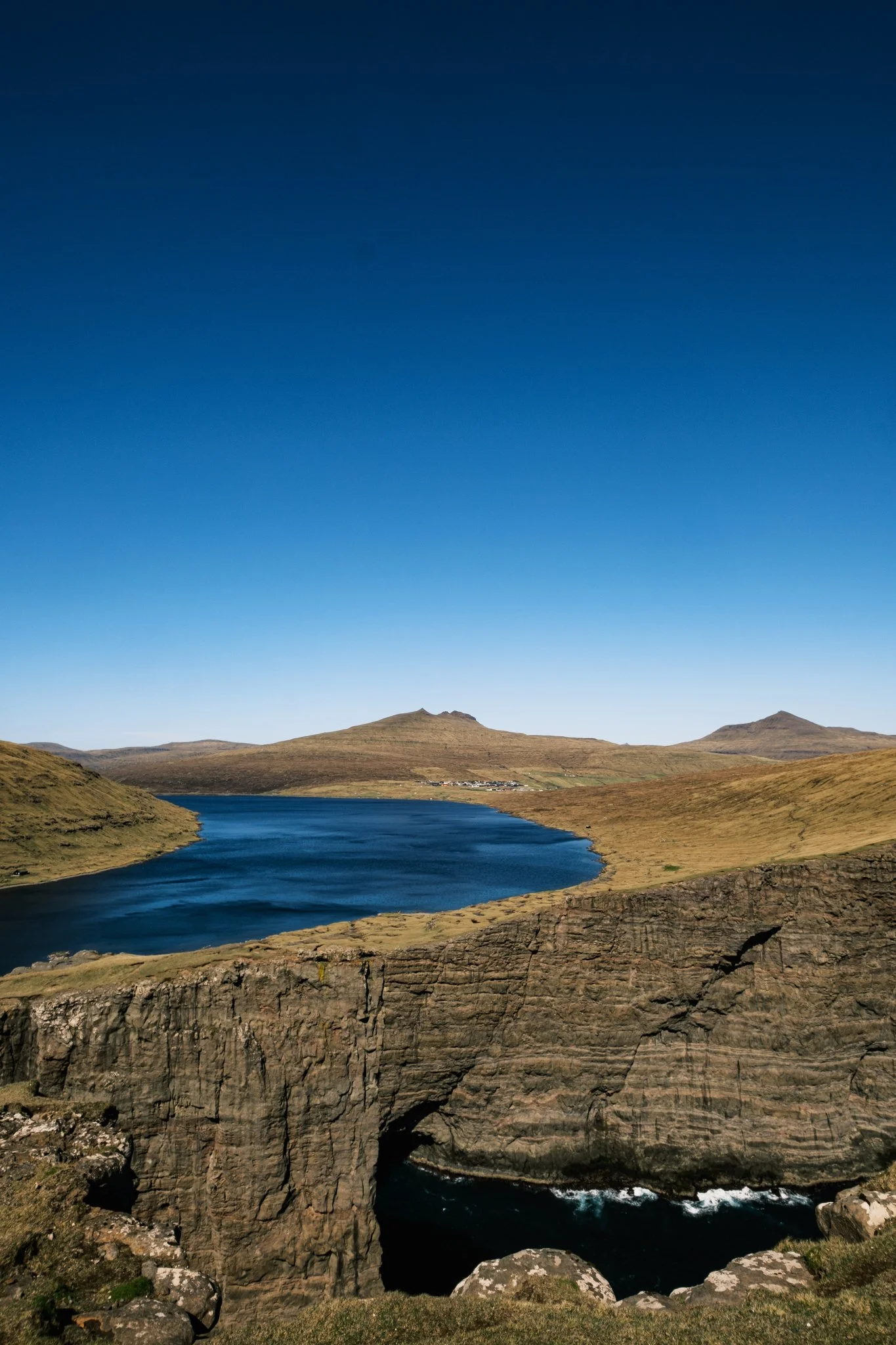
Lake Sørvágsvatn: The largest lake in the Faroe Islands, also located on Vágar island, appears to float above the ocean due to an optical illusion.
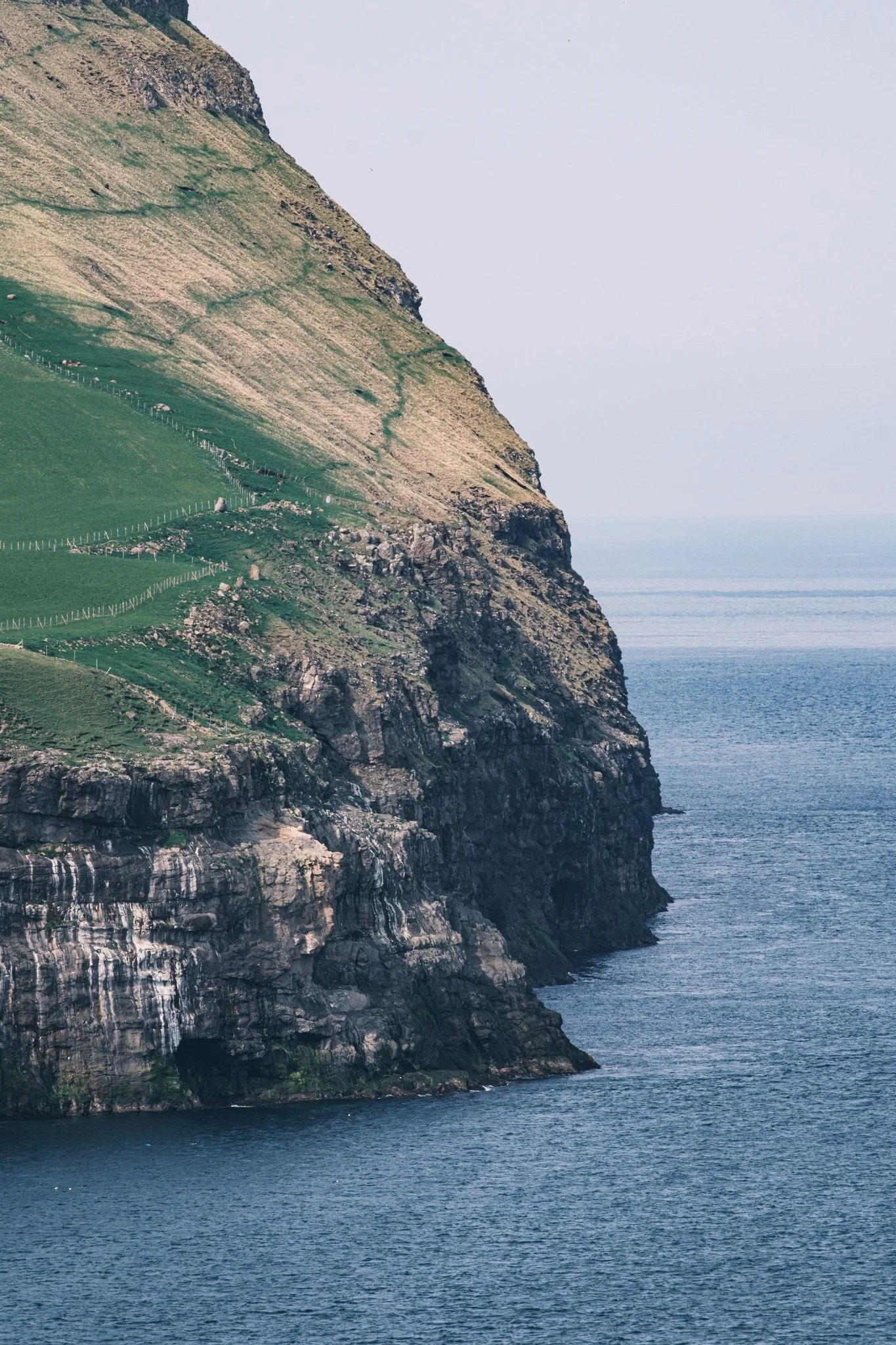
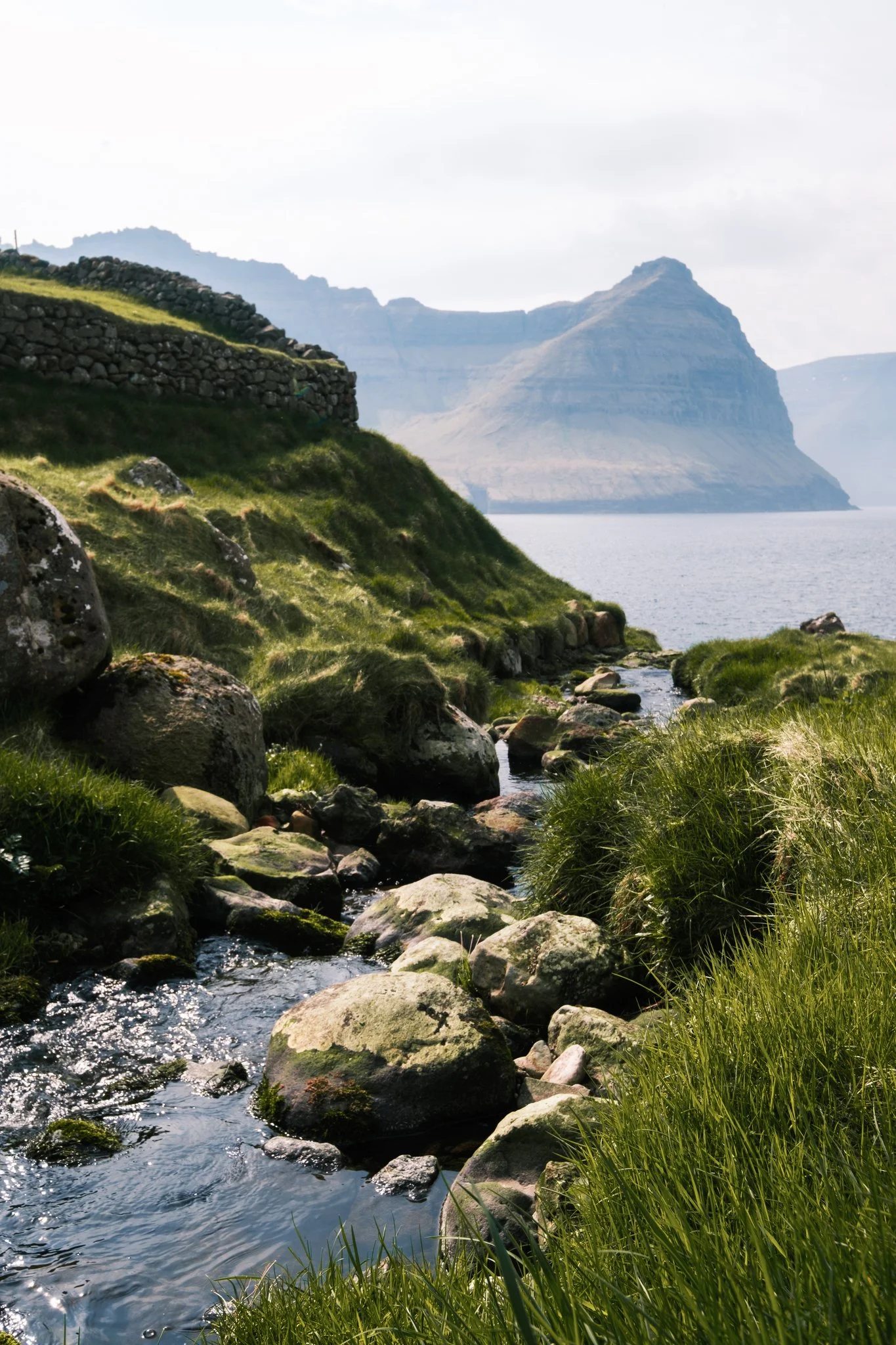
Viðareiði: on the island of Viðoy, is a hidden gem and the drive there offered us some of the most breathtaking views of the whole trip.
Worth an adventure
Exploring the Faroe Islands by camper van is an adventure that offers unparalleled freedom, stunning natural beauty, and a deep connection with the local culture. Whether you're waking up to breathtaking vistas or navigating scenic roads, a camper van holiday in the Faroe Islands promises memories that will last a lifetime.